May 24, 2012
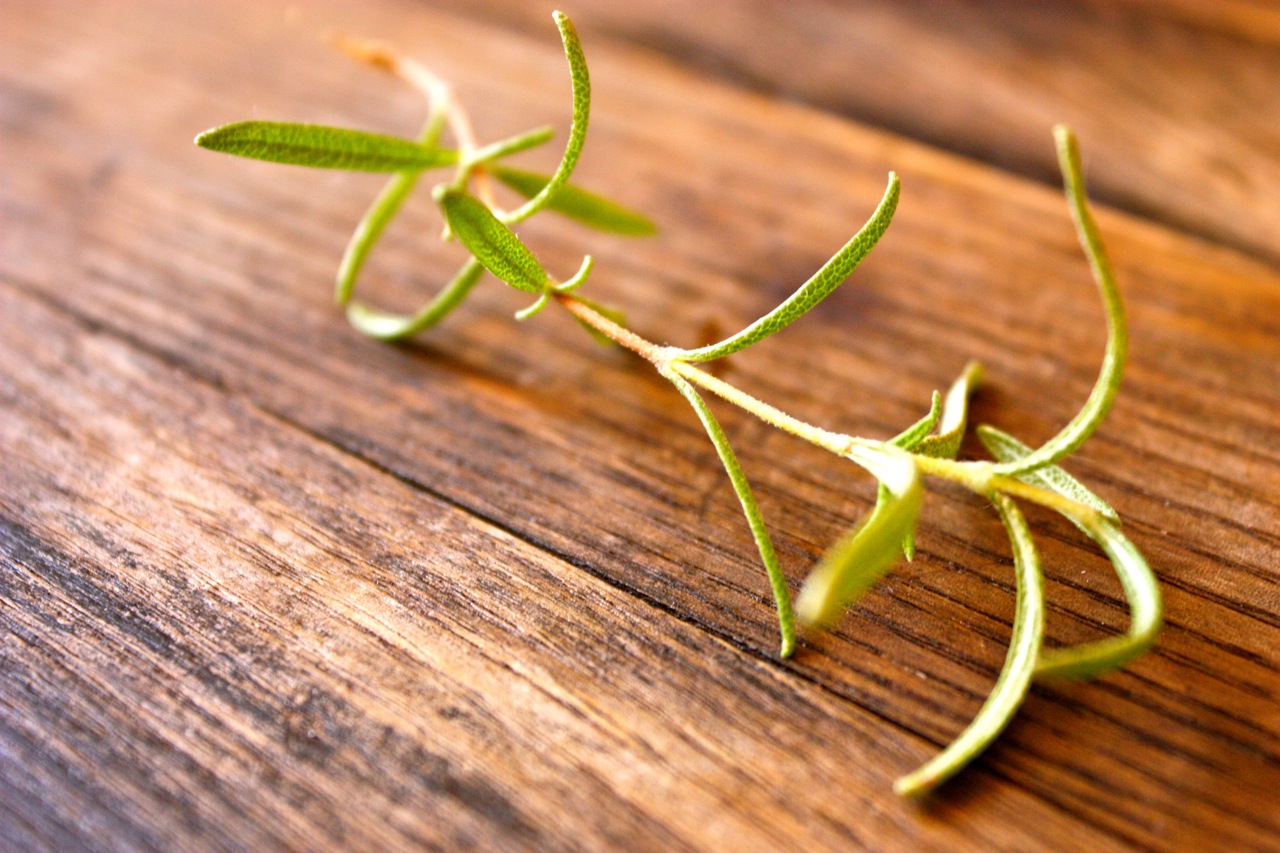
Spring Root Vegetables with Fresh Herbs
May 19, 2012
Buttered Dandelion Greens
May 12, 2012
Dandelion Blossom Fritters
2 c dandelion blossoms, stems removed
May 6, 2012
Wilted Spinach Salad with Bacon Dressing
April 29, 2012
Maple Glazed Carrots
April 15, 2012
Creamy Celeriac Soup
I was recently able to visit my friends who run Six River Farm in Maine, where spring is just beginning and a few roadside banks of melting snow remained. Though they are able to sell produce year round, the selection is more limited than their summer and fall abundance as the outdoor growing season is just getting started. However, I was able to bring home greens including spring mix, spinach, cabbage and kale and root vegetables including carrots, potatoes and one of my favorites, celeriac. I have featured celeriac before, purée with carrots and I continue to cook with this often-overlooked root vegetable. Roasting the celeriac for the soup creates a rich and well-balanced flavor, allowing few ingredients to be used for a simple creamy soup, especially delicious with an arugula and orange or beet and goat cheese salad.
For a vegan alternative, olive oil and water may be used in place of butter and cream.
2 medium celeriac roots, peeled and roughly chopped into 2" pieces
1 yellow onion, roughly chopped
2 tbsp butter
2 c water
¼ c cream
salt and pepper
olive oil
1. Preheat the oven to 350 degrees. Drizzle the celeriac with enough olive oil to coat, toss and spread on a roasting sheet. Place the celeriac in the oven and roast until tender, 20-30 minutes, stirring occasionally to prevent burning. Once the celeriac is golden brown and tender, remove from the oven and set aside.
2. Meanwhile, heat butter in a large saucepan over low heat. Add the onion and sauté until translucent. Continue sautéing, adding the roasted celeriac and water, cover the soup and simmer over low heat for 15-20 minutes. Remove the soup from heat and cool slightly before blending.
3. Place the soup in a blender or food processor and blend until smooth. Add cream and continue blending, adding small amounts of water as desired. Season to taste with salt and pepper. Serve warm or room temperature.
Serves 3-4
March 15, 2012
Asparagus and Pea Salad
I often find it entirely satisfying to compose an entire meal of simple vegetable side dishes. I would say especially in the spring and summer, when vegetables are most plentiful, but really it is something I do throughout the year. However, asparagus and peas remind me of spring and so they seem a fitting side dish to signify the return of spring. Roasting the asparagus before chopping and combining it with the other ingredients, lends a nice earthy flavor to the entire dish and accentuates the sweetness of the peas, tangerine and shallots. For spring, asparagus and pea salad pairs well with baked leeks and caramelized fennel.
2 bunches asparagus, trimmed
½ c peas
2 tbsp parsley, finely chopped
2 small shallots, thinly sliced into rounds
1 tangerine, juiced
2 tsp olive oil
salt and pepper
1. Preheat oven to 425 degrees. Spread asparagus evenly on a baking sheet and drizzle with a tsp of olive oil. Place in the oven and roast until tender, about 3 minutes. Remove from oven and set aside to cool. Once cool, slice the asparagus into thin rounds.
2. Meanwhile, heat 1 tsp olive oil over medium heat in a small frying pan. Add shallots and sauté until golden brown, about 5 minutes, stirring continuously so as not to burn. Once the shallots are brown, place in a bowl with the peas, parsley, tangerine juice, asparagus, and fold to combine. Season to taste with salt and pepper. Serve warm, room temperature or chilled.
Serves 3-4
March 8, 2012
Sweet Rosemary Potato Pancakes
The longer I cook, the more I enjoy using rosemary, maybe because it reminds me of the pines in which I was raised and also because I try to always have a rosemary plant around. Rosemary seems to be one of the more versatile herbs one can use in a kitchen, as it lends itself immensely well to both sweet and savory dishes, and frankly I cannot think of a more well rounded flavor which suits both. Like many herbs we use today, rosemary, an evergreen a related to the mint family, is native to the Mediterranean. The name rosemary derived from the Latin ros marinus or dew of the sea, due to its ability to use humid sea air as its primary source of moisture. Aside from culinary usage, rosemary has long been thought of as a medicinal plant to improve circulation, memory, digestion and the immune system, as well as providing anti-inflammatory properties. Sweet potatoes and rosemary pair very well indeed, as the bold piney flavors taste delicious upon a rich sweet background. These sweet rosemary potato pancakes are made in the style of latkes, with sweet potatoes taking the place of white potatoes.
1 lb sweet potatoes, peeled and grated
1 yellow onion, trimmed and grated
1 tsp fresh rosemary, leaves removed from stem
2 eggs
1 tsp starch, potato or corn
¼ tsp pepper
½ tsp salt
1-2 tbsp olive oil
1. Combine the grated sweet potatoes and salt in a medium-mixing bowl, set potatoes aside for about 10-15 minutes. Drain liquid from potatoes by squeezing them and tightly wrapping them in a clean towel, removing as much excess water as possible. Return drained potatoes to original mixing bowl.
2. Next, combine the potatoes with the onions and rosemary. Add the eggs, starch and pepper and thoroughly combine with the vegetables creating the batter for the pancakes.
3. In a medium frying pan, heat 1 tbsp of oil over medium-low heat. Place a tablespoon of batter in the pan, flatten into a pancake and fry each side until golden brown on both sides, about 5 minutes. Repeat process with remaining batter, adding additional oil as necessary.
4. Serve pancakes warm or room temperature.
Serves 3-4
January 29, 2012
Sprouted Lentils with Asparagus
Sprouted lentils might be my favorite sprouted legume to eat raw, as they taste essentially like a cooked lentil with a little more flavor and crunch. Lentils sprout easily in a short amount of time, and once sprouted they are tender enough to eat raw or slightly cooked if desired. Any variety of lentil may be sprouted; however, because the red lentils are small and usually split, they sprout in rapid time and are generally sprouted and ready to eat within a day. Sprouted lentils with asparagus are delicious with stuffed bell peppers and beets and tangerines.
1 c sprouted lentils
½ lb asparagus, trimmed and roughly chopped
1 small yellow onion, finely diced
1 tbsp fresh basil, roughly chopped
¼ red bell pepper, thinly julienned
½ lemon, juiced
2 tsp olive oil
salt and pepper
1. First, sprout lentils, which takes 8-24 hours, depending upon the variety of lentil.
2. Next, heat olive oil in a medium skillet over medium-low heat. Add onion and sauté until golden brown and caramelized, about 20 minutes, stirring frequently to prevent sticking. Once onions are caramelized, add asparagus and bell peppers, stir until combined and remove from heat.
3. Combine sprouted lentils, caramelized onions and vegetables, basil and lemon juice and gently fold to combine. Season to taste with salt and pepper.
4. Serve salad room temperature or chilled.
Serves 3-4
January 18, 2012
Caramelized Fennel
I have always loved the flavors of licorice and anise and so it should be no surprise, though the flavors are different, fennel is a particularly appealing vegetable to me and tends to be slightly under utilized in the American kitchen. Fennel, along with coriander, parsley, dill and carrot, is a member of the Umbellifereae family and native to southern Europe where it has been cultivated for medicinal and culinary purposes for thousands of years and continues to be a mainstay of Italian, French and Mediterranean cooking. Along with most vegetables, fennel provides a great amount of nutrition including Vitamin C, phytonutrients and fiber. The bulb, stalk and fronds of fennel, generally sold together, are all delightfully edible and can be eaten together or separately, raw or cooked, depending upon your culinary preference. Caramelized fennel is delicious along side orange pecan kale and feta roast potatoes.
2 fennel bulbs, trimmed and sliced into thin wedges
½ c fennel fronds, finely chopped
1 tbsp olive oil
salt and pepper
1. Preheat oven to 425 degrees. Toss fennel bulbs with olive oil and salt and pepper. Spread evenly in a baking dish and place in the oven. Roast fennel until deep golden brown and caramelized, about 45 minutes, stirring occasionally to prevent burning and sticking.
2. Remove fennel from oven and toss with chopped fennel fronds. Season to taste with salt and pepper. Serve warm, room temperature or chilled. Serves 3-4
January 9, 2012
Garlic and Oregano Green Beans
A member of the mint family widely used in both the medicinal and culinary world, oregano, from the Italian origano, is native to Eurasia and the Mediterranean. Like many other herbs, the flavor of oregano, found in the aromatic oils, depends upon the conditions under which it is grown. Most commonly, oregano is associated with Mediterranean, Middle Eastern and Latin American cuisines and was likely brought to popularity in the states by soldiers returning from Italy during World War II. Although dried oregano can be very flavorful, I prefer fresh herbs and so prefer to cook with fresh oregano. Due to the strong aromatic oils it possesses, small quantities of oregano can be sufficient to impart abundant flavor in a given dish. Because the fresh leaves are delicate, allowing them to roast for a short period of time retains their flavor and prevents them from burning. Garlic and oregano green beans are delicious with wheat berry salad and celeriac purée.
1 lb green beans, trimmed
4 cloves garlic, smashed
2 tbsp fresh oregano leaves
1 lemon, halved
1 tbsp olive oil
salt and pepper
1. Preheat oven to 450 degrees. Toss the green beans with olive oil and salt and pepper, spread them on a baking sheet and arrange the garlic on top. Place the green beans in the oven and roast for 8-10 minutes, until beans are just tender.
2. Sprinkle the oregano on the green beans and return to oven for 1-2 more minutes or until oregano is wilted. Remove the beans from the oven and set aside to cool slightly. Chop the roasted garlic and fold into the green beans. Squeeze lemon juice on beans just before serving. Season to taste with salt and pepper. Serve green beans warm.
Serves 3-4
January 1, 2012
Purple Cabbage with Bacon and Apple
I am not quite sure what the world would do without bacon, as it seems to be the ingredient of choice in a wide variety of culinary concoctions, including chocolate bars and ice cream. For those of us who do eat meat, and even some who make a bacon exception, it is a deliciously salty and smoky ingredient to add flavor and intensity to so many different dishes. Bacon, from Old French and Old High German, describing the buttock or ham of an animal, can be made from many different cuts of pork, using any number of various curing techniques. However, all bacon is first cured in salt, either brine or dry pack, before being served as fresh bacon, or further cured and dried. Cabbage cooked with bacon is particularly nice and is an easy dish to make and eat as a part of a meal or on its own and goes well with summer squash fritters and succotash.
Green cabbage may be used instead or in addition to purple.
For Jen, who loves bacon.

2 strips bacon, roughly chopped
1 small head purple cabbage, thinly sliced
1 onion, halved and thinly sliced
1 small green apple, halved and thinly sliced
1 tbsp apple cider vinegar
salt and pepper
1. Place the bacon in a large heavy-bottomed pan over medium heat. Fry the bacon until golden brown, stirring continuously. Once the bacon is golden brown, remove from the pan with a slotted spoon and set aside.
2. Add the onion to the pan and fry in the bacon fat over medium heat until the onion begins to brown. Return the bacon to the pan along with the cabbage and stir well to combine. Pour the apple cider vinegar over the cabbage, cover the pan and reduce the heat to medium-low or low, so the cabbage is braising steadily. Stir occasionally to prevent sticking and cook evenly.
3. Once the cabbage tender, gently fold in the apple and cover, allowing the apple to braise with the cabbage until it is soft, 5-10 minutes. Remove the pan from heat and season to taste with salt and pepper.
4. Serve the braised cabbage warm or room temperature.
Serves 3-4