Showing posts with label leek. Show all posts

September 10, 2011

Baked Leeks with Mushroom Wild Rice Pilaf

Wild rice is the seed of one of four aquatic grasses in the genus Zizania, three of which are native to North America and one is native to China, and has been consumed by people for thousands of years. Though wild rice is similar to rice from Asia, Oryza sativa, they are not directly related, which means wild rice is not truly rice. Because wild rice grows in colder conditions, the seed itself requires more energy to germinate resulting in high levels of protein. Wild rice makes a great addition to any number of dishes as it has a sweet nutty flavor and chewy texture. Baked leeks with mushroom wild rice pilaf is delicious with any number of dishes including feta roasted potatoes and arugula salad.

3 leeks, trimmed and halved

1 c small mushrooms, quartered

½ c cooked wild rice

1 tsp olive oil

1 tbsp butter

1 tsp rosemary

1 tsp parsley

salt and pepper

1. Preheat oven to 375 degrees. Spread leeks on a baking dish, drizzle with olive oil and season with salt and pepper. Bake leeks until tender, 10-15 minutes. Remove from oven and set aside.

2. Place butter in a medium pan over medium low heat. Add mushrooms and sauté until slightly browned, about 5 minutes. Add rice and herbs and stir to combine. Reduce heat to low, cover and cook for about 5 more minutes. Once rice is thoroughly heated and herbs are fragrant, remove from heat. Season to taste with salt and pepper.

3. Arrange leeks on plates or a platter, spoon pilaf over leeks. Serve warm or room temperature.

Serves 3-4

June 19, 2011

Spring Vegetable and Rye Berry Salad


Whole grains are grass seeds, which contain endosperm, bran and cereal germ, as opposed to refined grains that consist of only endosperm, and are a great addition to any diet because they provide more protein and fiber than their refined counterparts. Cooking with whole grains does take some patience, as they require a longer cooking time due to the bran exterior, but whole grains are well worth the extra time on the stove as they have a rich, nutty and earthy flavor. The easiest way to cook whole grains such as rye, wheat or oat berries, is to boil them for 1-2 hours until they are al dente. The cooked berries can then be added to any number of recipes or eaten on their own. Whole grains mixed with vegetables, herbs and cheese make great side salads to keep on hand during the summer, as they can be eaten room temperature or cold and taste delicious with for breakfast, lunch or dinner. Spring vegetable and rye berry salad is delicious with braised lentils and socca.
Peas may be used instead of sugar snap peas. Most grain berries will work in place of rye such as wheat, oat or barley.

2 c cooked rye berries
1 medium new potato, thinly sliced into rounds
1 small leek, trimmed, halved lengthwise and thinly sliced
¼ lb sugar snap peas, trimmed and cut in half widthwise
¼ lb asparagus, trimmed and cut into 1" pieces
½ small red pepper, trimmed and finely diced
1 tbsp parsley, roughly copped
½ c feta
1 tbsp olive oil
salt and pepper
leaf lettuce (optional)

1. Heat olive oil in a medium skillet over medium-high heat. Add potatoes and fry until golden brown on both sides, about 5 minutes, stirring frequently to prevent sticking. Remove the potatoes from skillet, leaving the oil in the skillet and place them in a medium-mixing bowl.
2. Reduce heat to medium, add red pepper and leeks and sauté until just cooked, about 1 minute. Remove from heat, stir in parsley and set skillet aside.
3. Place the asparagus and peas in a steamer basket with water in a small pot. Cover the pot and bring the water to a boil. Once water boils, remove vegetables from heat and place them in the bowl with the potatoes.
4. Add the rye berries and skillet ingredients to the potatoes and vegetables, gently toss to combine and season to taste with salt and pepper.
5. Sprinkle feta on top or gently toss with salad when serving. Serve salad room temperature or chilled on leaf lettuce if desired.
Serves 3-4

May 5, 2011

Leek Galette

A galette is a free-form rustic pie or tart, depending on the crust used, commonly associated with French cuisine. Galettes are great alternatives to traditional pies and tarts as their lack of structure and ease in forming make them beautiful and unique, leaving size, shape and form up to each individual cook. A galette can be made either sweet or savory depending upon preference and can be filled with any number of different ingredients as long as the filling is not too moist, as the crust needs to be able to contain the filling on its own. After discovering leeks are delicious baked on their own with few additional ingredients, I started making leek galettes a few years ago. Leek galettes go well with any number of dishes including butternut squash soup or purée, mashed carrots or smashed new potatoes.

For everyone who requested this recipe.

Crust

1 ¼ c flour

½ c butter

¼ tsp salt

¼ tsp pepper

¼ - ½ c cold water

Filling

2 leeks, trimmed, halved and chopped into ¼ wide strips

1 tbsp butter

salt and pepper

1 egg, beaten

1. To make filling: heat butter in a skillet over medium heat. Add leek and sauté until lightly cooked and brilliant green, 3-4 minutes. Remove from heat and season to taste with salt and pepper. Set filling aside to cool while making crust.

2. To make crust: thoroughly combine flour, butter, salt and pepper in a mixing bowl or food processor. Slowly add ice water, 1 tbsp at a time, to flour mixture and gently combine until dough begins to form. Being careful not to add too much water or over work dough. Form dough into a ball and place in the refrigerator for at least 20 minutes. Crust may be made and refrigerated up to one day in advance.

3. Preheat oven to 375 degrees. Remove crust from refrigerator and place in between two 18" sections of parchment paper. Roll dough into large circle, between 10-12" in diameter and ¼" thick. Remove parchment paper from crust and place crust on a baking sheet.

4. Mound filling into a circle in the center of crust about 1" thick, leaving a 2" edge. Fold edge of crust around leek filling, gently pressing folded crust around filling. Using a pastry brush, brush crust with egg.

5. Place galette in oven and bake until golden brown, 25-40 minutes. Remove galette and cool for at least 15 minutes before serving.

6. Slice galette and serve warm, room temperature or chilled.

Makes one 8-10" galette

January 21, 2011

Vegetable or Vegetable Lamb Pasties

Pasties, likely originating in England, were traditionally fed to laborers, particularly miners, because they could hold the crust, eat the filling without touch it and discard the dirty crust once they had finished eating. Butte, Montana has a strong tradition of pasties due to it being a mining town with Irish heritage. I like making pasties because they are such a perfect meal, work with many different fillings and can easily be taken to go or frozen for later. Soups such as mustard green or roasted squash and salads such as caesar or beet make great starters for pasties.

Other ground meats may be substituted for lamb such as beef or bison. Other combinations or proportions of vegetables will work as well. Most fresh herbs will work in the crust including rosemary, thyme, mint or parsley.

Made especially for Annie, who specifically requested pasties.

Crust

2 ¼ c flour

1 c chilled butter, cubed

2 tsp baking powder

1 tbsp fresh herbs, finely chopped

1 tsp salt

¼ tsp ground pepper

ice water

Filling

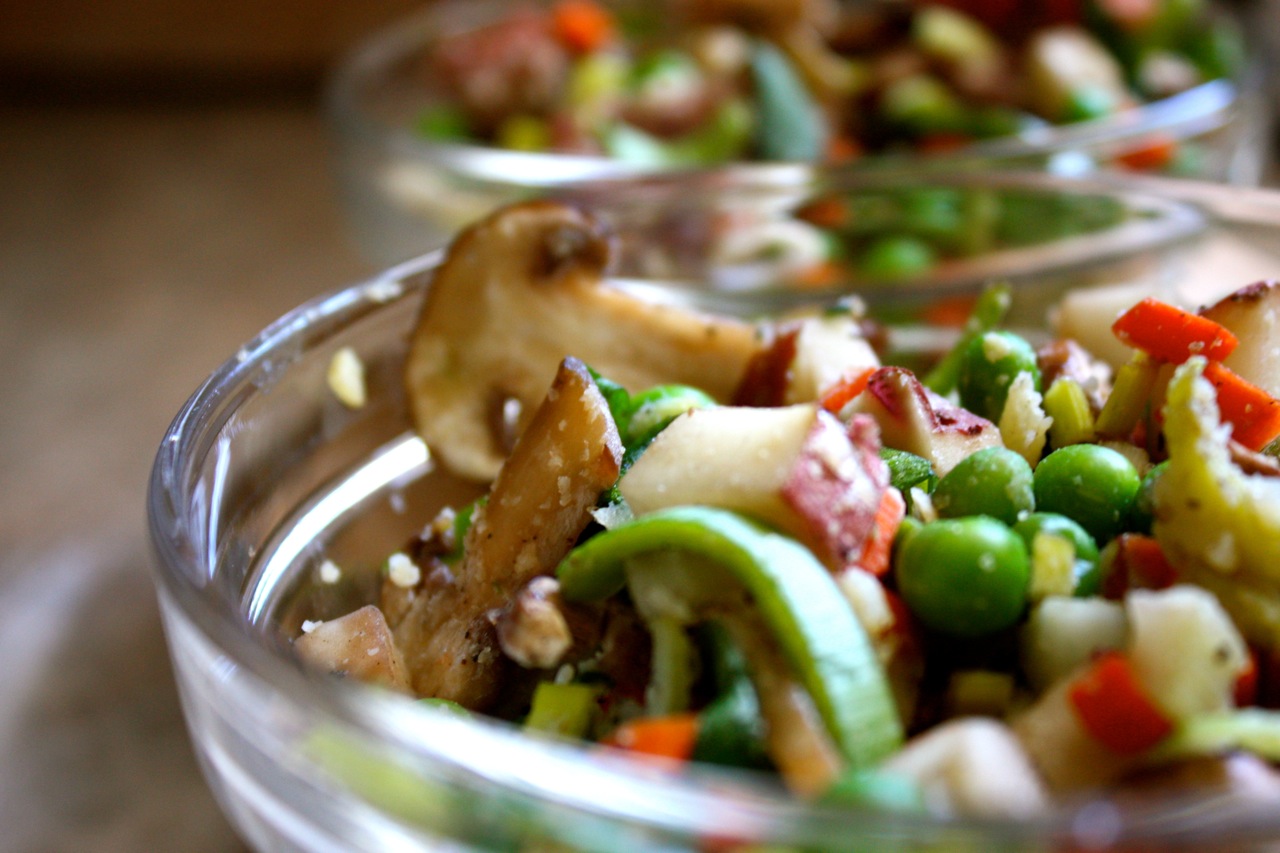
1 medium red potato, finely cubed

1 stalk celery, trimmed and finely diced

1 leek, trimmed and thinly sliced

1 carrot, trimmed and finely diced

½ c peas

½ c spinach, roughly chopped

5 button mushrooms, halved lengthwise and thinly sliced

¼ lb ground lamb*

1 tbsp butter, melted

½ tsp salt

¼ tsp pepper

1 egg, beaten

*lamb may be added or omitted depending upon preference

1. To make crust: thoroughly combine flour, butter, baking powder, herbs, salt and pepper in a mixing bowl or food processor. Slowly add ice water, 1 tbsp at a time, to flour mixture and gently combine until dough begins to form. Being careful not to add too much water or over work dough. Form dough into two balls and place in the refrigerator.

2. To make filling: combine all vegetables, butter, seasoning and lamb if desired in a large mixing bowl. There may be remaining filling depending upon desired size of pasties.

3. Preheat oven to 375 degrees. Remove dough from refrigerator, each ball between two squares of parchment paper and roll each into a 12" diameter circle. Place 1 ½ -2 c filling on ½ of each circle, leaving a 2" border of dough. Fold the other ½ of the dough over the filling. Pinch border closed, cut a 1" slit into the top of the pastie and place pastie on a baking sheet. Repeat process with second circle. Brush pasties with beaten egg.

4. Place pasties in oven and bake until golden brown, 30-40 minutes. Remove pasties from oven and cool for 5-10 minutes. Serve pasties warm.

Makes 2 pasties

November 28, 2010

Beer Stewed Pork with Apples and Leeks

Warm pots of stewed foods seem especially fitting for fall and the combination of leeks, pork and apples only enhances the fittingness for fall. I made this dish earlier in November, before the snow arrived in Montana and picked the apples from a tree in the yard, which seemed an appropriate way to spend time while the leaves were changing. Now a blanket of snow has replaced the colorful leaves, and a pork and beer stew seems even more appealing for the colder weather. Stewed pork may be served with many different dishes including brown rice fritters and chickpea flatbread.

Any variety of tart firm apple lends itself well to the pork and beer. I used new purple potatoes again because I love their color, but other new waxy potatoes are just as good. A light to medium beer is best, as dark beer tends to mask the flavors of the other ingredients.

1 lb pork chops, cut into 1 inch cubes

1 leek, trimmed and roughly chopped

2 c apples, trimmed and quartered or halved depending on size of apple

½ red pepper, trimmed and finely diced

1 medium carrot, peeled and finely diced

2 stalks of celery, trimmed and finely diced

2 c new potatoes, quartered

¼ c parsley, finely chopped

½ c water

2 tbsp olive oil

1 12 oz beer, light or medium

salt and pepper

2 c cooked sweet brown rice

1. Heat 1 tbsp olive oil in large heavy-bottomed pot over medium-high heat. Add pork and brown, stirring occasionally to prevent sticking. Remove pork from pot and set aside.

2. Reduce heat to medium and add 1 tbsp olive oil to pot. Add the potatoes and brown slightly, stirring occasionally to prevent sticking. Once potatoes have browned, add carrot, celery and apple and stir to combine.

3. Return pork to pot, add beer and bring to a simmer. Once simmering, add water, reduce heat to low, cover and simmer until potatoes are tender, stirring occasionally to prevent sticking. Add leek and red pepper, stir to combine and continue cooking until leek is soft, about 3-5 minutes. Remove from heat once all vegetables are tender and stir in parsley.

4. Season to taste with salt and pepper. Serve warm over brown rice.

Serves 3-4