Showing posts with label batter. Show all posts

May 12, 2012

Dandelion Blossom Fritters

I grew up in the foothills of the Rocky Mountains, where sagebrush, pine trees and prickly pear cactus flourished.  Needless to say there was little in the way of manicured lawn, what little we did have was generally a sea of dandelions.  My sister and I learned to forage for edible plants at a young age, as our mother was a botanist and our father was a renaissance man of sorts, and dandelions were one of the easiest and, thanks to my parents, tastiest finds.  I have fond memories of fresh dandelion blossoms being batter and fried for an afternoon snack or side dish at dinner.  I recently relocated to Montana, where spring is just beginning and the many of the lawns host their fair share of dandelions and fritters were on my mind.  They are just as easy and delicious as I remember them being, providing a great use for an otherwise common weed.   Dandelion blossom fritters pair well with buckwheat flatbread and rye or wheat berry salad

The blossoms should be used immediately and may be rinsed, but are easier to fry dry.

2 c dandelion blossoms, stems removed
1 large egg
¼ c flour
¼ c milk
2 tbsp oil
salt and pepper
1. In a small bowl, whisk the egg, milk and flour together until smooth.  Season the batter with salt and pepper.  Makes about one cup of batter.

2. Place the oil in a medium skill over medium heat.  Once the oil is heated, dip a dandelion blossom in the batter, holding the flower by the bottom to fully submerge the blossom in the batter, gently shake and place in the skillet.  Repeat the process until the skillet is full.  Fry the blossoms until golden brown, flipping as needed, about 1 minute.  Remove the blossoms and set aside drain on a paper towel, while continuing to fry the remaining blossoms. 

3. Season the fritters with salt and pepper as desired.  Serve immediately.

Serves 3-4

March 8, 2012

Sweet Rosemary Potato Pancakes

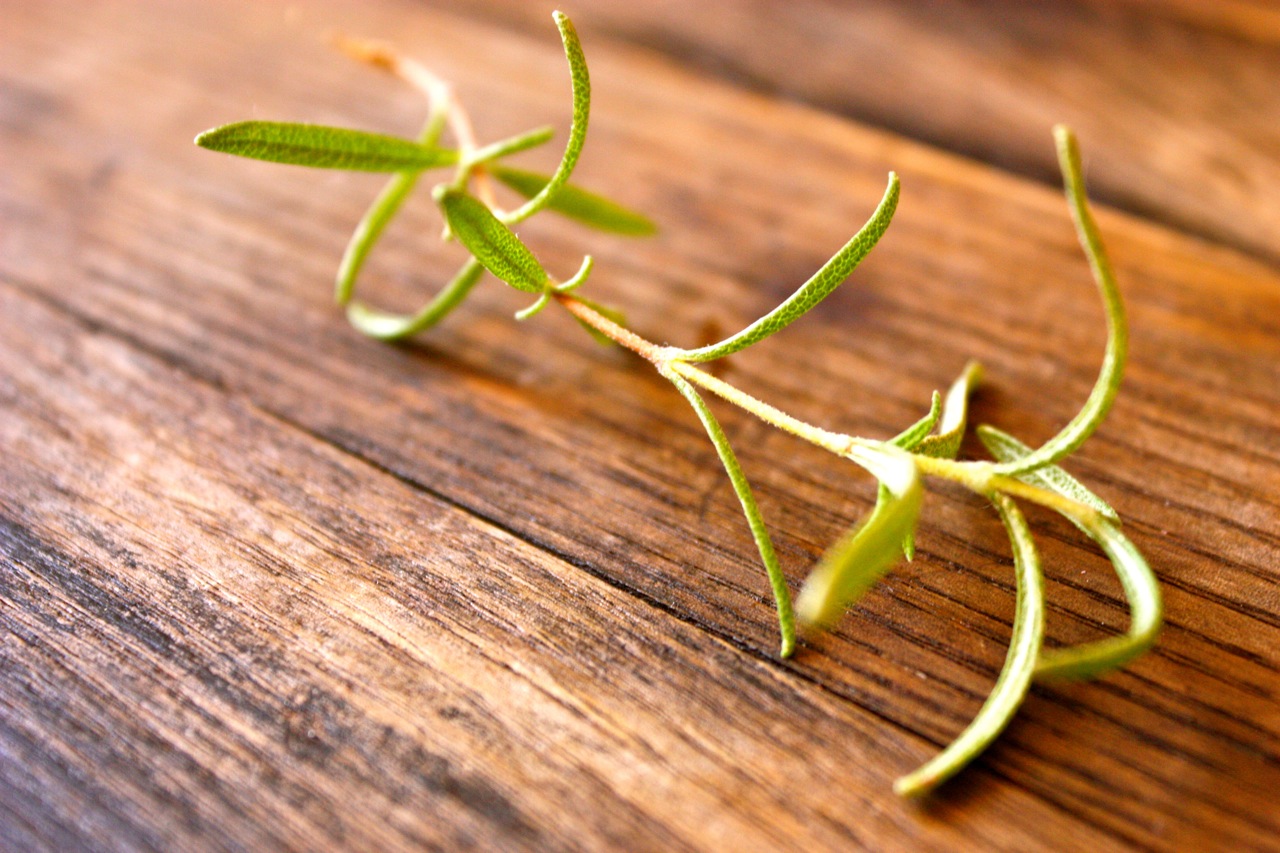
The longer I cook, the more I enjoy using rosemary, maybe because it reminds me of the pines in which I was raised and also because I try to always have a rosemary plant around. Rosemary seems to be one of the more versatile herbs one can use in a kitchen, as it lends itself immensely well to both sweet and savory dishes, and frankly I cannot think of a more well rounded flavor which suits both. Like many herbs we use today, rosemary, an evergreen a related to the mint family, is native to the Mediterranean. The name rosemary derived from the Latin ros marinus or dew of the sea, due to its ability to use humid sea air as its primary source of moisture. Aside from culinary usage, rosemary has long been thought of as a medicinal plant to improve circulation, memory, digestion and the immune system, as well as providing anti-inflammatory properties. Sweet potatoes and rosemary pair very well indeed, as the bold piney flavors taste delicious upon a rich sweet background. These sweet rosemary potato pancakes are made in the style of latkes, with sweet potatoes taking the place of white potatoes.

1 lb sweet potatoes, peeled and grated

1 yellow onion, trimmed and grated

1 tsp fresh rosemary, leaves removed from stem

2 eggs

1 tsp starch, potato or corn

¼ tsp pepper

½ tsp salt

1-2 tbsp olive oil

1. Combine the grated sweet potatoes and salt in a medium-mixing bowl, set potatoes aside for about 10-15 minutes. Drain liquid from potatoes by squeezing them and tightly wrapping them in a clean towel, removing as much excess water as possible. Return drained potatoes to original mixing bowl.

2. Next, combine the potatoes with the onions and rosemary. Add the eggs, starch and pepper and thoroughly combine with the vegetables creating the batter for the pancakes.

3. In a medium frying pan, heat 1 tbsp of oil over medium-low heat. Place a tablespoon of batter in the pan, flatten into a pancake and fry each side until golden brown on both sides, about 5 minutes. Repeat process with remaining batter, adding additional oil as necessary.

4. Serve pancakes warm or room temperature.

Serves 3-4

December 14, 2011

Sweet Potato Pancakes

Sweet potatoes have been on my mind lately, possibly because they are commonly served during winter holiday meals or maybe because I am in the south, where sweet potatoes have been cultivated since the 16th century. In the southern States, sweet potatoes seem to be preferred over regular potatoes and due to their sweeter nature; they are found in a wide array of both savory and sweet dishes, including pies, casseroles, breads, stews and fries. Lately, I have come across sweet potato pancakes on menus and signs; at first I thought were similar to a European potato pancake using grated sweet potatoes as a base, which sounded delicious. However, I subsequently learned, in the south, they are referring to traditional breakfast pancakes, in which cooked mashed sweet potatoes are used in addition to the flour. I found baking the sweet potatoes before adding them to the pancakes, added a depth to the pancakes and created a rich sweet potato flavor in the finished product.

Sweet potatoes can be baked in advance. Sugar and spices can be adjusted to taste, depending upon personal preference.

1 lb sweet potatoes

2 c flour

2 ¼ c milk

¼ c butter, melted

2 eggs

4 tsp baking powder

2 tbsp sugar

½ tsp cinnamon

pinch of nutmeg

½ tsp salt

vegetable oil

1. Preheat oven to 425 degrees. Place the whole sweet potatoes in the oven and bake until tender, 30-45 minutes. Remove from oven, cool slightly, peel and blend until smooth in a medium mixing bowl.

2. Add the dry ingredients to the blended sweet potatoes and thoroughly combine. In a separate bowl, combine the milk, eggs and butter, add to the dry ingredients and potatoes, and gently fold to combine into a smooth batter.

3. Heat a griddle or large skillet over medium-low heat. Once heated, coat the griddle or skillet with oil. Drop about ¼ c of the batter on to the griddle or skillet, repeating until the griddle or skillet is full. Cook pancakes until bubbles appear on the surface, flip and cook until both sides are golden brown and pancakes are fully cooked. Repeat process with remaining batter.

4. Serve sweet potato pancakes warm with butter and maple syrup, if desired.

Serves 3-4

October 12, 2011

Potato Pancakes

Potatoes were most likely introduced to Europe by Spanish explorer during the 16th century, so potato pancakes were born after their introduction. Potato pancakes are a staple of many traditional European cuisines especially in Eastern and Northern Europe and one of my favorite ways to eat potatoes. The vegetable pancakes are made using any number of different ingredients depending upon the culinary tradition followed, though all contain either raw or pre-cooked potatoes. I love them because they are reminiscent of the hash browns I loved as a child and can be eaten warm, room temperature or chilled with any number of toppings. Potato pancakes are delicious served with dark greens including collard or kale and bacon braised chicken.

1 lb new potatoes, grated

1 yellow onion, trimmed and grated

2 scallions, finely sliced

1 stalk celery, finely sliced

1 tbsp parsley, finely chopped

2 eggs

1 tsp starch, potato or corn

¼ tsp pepper

½ tsp salt

1-2 tbsp olive oil

1. Combine the grated potatoes and salt in a medium-mixing bowl, set potatoes aside for about 10-15 minutes. Drain liquid from potatoes by squeezing them and tightly wrapping them in a clean towel, removing as much excess water as possible. Return drained potatoes to original mixing bowl.

2. Next, combine the potatoes with the scallions, parsley, onions and celery. Add the eggs, starch and pepper and thoroughly combine with the vegetables creating the batter for the pancakes.

3. In a medium frying pan, heat 1 tbsp of oil over medium-low heat. Place a tablespoon of batter in the pan, flatten into a pancake and fry each side until golden brown on both sides, about 5 minutes. Repeat process with remaining batter, adding additional oil as necessary.

4. Serve pancakes warm or room temperature, with sour cream or applesauce if desired.

Serves 3-4

April 24, 2011

Ploye : Buckwheat Flatbread

Ployes, buckwheat flatbread, date back to 18th century Acadian communities, of French heritage, on the Maine-New Brunswick border. The buckwheat flatbread originally served as inexpensive bread source for settlers as buckwheat, first cultivated in Southeast Asia, is a hardy plant with a short growing season and grows well in most soils, making it popular in both northern France and North America. Ployes are similar in style to galettes de sarrasin, buckwheat flatbread from the Brittany region of France, likely inspiration for French settlers. I like to eat ployes with toppings similar to pancakes including butter, maple syrup, brown sugar or peanut butter. They are also delicious with savory foods and are often served with stewed meats such as bacon braised chicken and beer stewed pork.

1 c buckwheat flour

½ c flour

1 ½ tsp baking powder

½ tsp salt

1 c cold water

1 ½ c boiling water

1. Thoroughly combine dry ingredients and cold water in a medium mixing bowl. Let rest for 5 minutes.

2. Vigorously whisk boiling water into buckwheat batter and continue whisking until batter is smooth. Let rest for 30 minutes.

3. Heat a non-stick skillet over medium-high heat. Once skillet is hot, whisk batter and pour ¼ c batter onto skillet. Cook ploye until air bubbles are cleared of liquid and bottom is golden brown, 1-2 minutes and do not flip. Remove ploye from skillet by carefully lifting all edges before fully removing ploye. Repeat process with remaining batter, whisking batter before making each ploye.

4. Serve ployes warm or room temperature with desired toppings.

Makes 8-10 ployes

December 31, 2010

Rosemary Brown Rice Fritters

Sweet brown rice is one of my favorite kinds of rice because it has pleasing texture, flavor and color. I have found one of the better ways to cook brown rice is to boil it in a pot full of water until almost done, drain it, return it to the pot, cover it and allow it to finish cooking on its own. The boiling method takes the same if not less time and results in a perfectly cooked grain every time. I found inspiration for these fritters while reading an article in Saveur magazine on brown rice grown in California. Rice fritters are delicious with mustard green soup and beer stewed pork.

Other herbs may be substituted for either parsley or rosemary. A mechanical ice cream scoop works the best because it helps the rice mixture compact and hold together.

2 c cooked sweet brown rice

½ c parmesan, grated

¼ c flour plus more for coating fritters

¼ c parsley, finely chopped

1 tbsp rosemary, finely chopped

1 egg

2 tbsp olive oil

½ tsp salt

¼ tsp pepper

1. Thoroughly combine rice, flour, parmesan, parsley, rosemary, salt and pepper in a medium mixing bowl. Place 2 tbsp flour on a plate for coating rice patties. Form rice mixture into 1" fritters using two spoons or a mechanical ice cream scoop. Coat both sides of fritters with flour and place on parchment or wax paper lined baking sheet.

2. Meanwhile, heat olive oil in a medium skillet over medium heat. Gently transfer fritters to skillet with spatula. Brown fritters on each side, 3-4 minutes, adding olive oil to skillet as necessary. Once both sides have browned, remove fritters from heat.

3. Serve fritters warm or room temperature.

Serves 3-4

November 22, 2010

Socca : Chickpea Flatbread

Socca is a southeastern French flatbread made from garbanzo bean flour, essentially a chickpea crepe baked in the oven. I first discovered socca when researching flatbreads of the world and have loved it ever since. Socca may be eaten on its own or with any number of toppings and fillings. It is an excellent gluten-free alternative to traditional wheat-based flatbreads. Braised chicken and stewed pork can be wrapped in socca making an excellent meal.

More or less water may be added to the flour, depending on desired thickness. A 500-degree oven will also work, with a slightly increased cooking time. I have also used flour made from both fava and garbanzo beans, which worked out very well.

1 c garbanzo bean flour

¾ tsp salt

½ tsp ground pepper

1 ½ c cold water

2 tbsp olive oil plus more to coat skillet

10 inch cast iron skillet

1. Place skillet in oven and preheat oven to 525 degrees.

2. Meanwhile, place garbanzo bean flour, salt, pepper, water and oil in a medium mixing bowl and whisk to combine into a batter.

3. Once oven is heated, carefully remove skillet from oven and place on safe surface. Coat skillet with olive oil, add ½ c of batter and spread evenly by rotating skillet around. Return skillet to oven and allow to cook for 5-7 minutes or until edges are golden brown and pulling away from sides of skillet. Using a spatula, loosen socca from skillet, place on flat surface and allow to cool.

4. Repeat step 3 until all batter has been used. May be served warm or room temperature.

Makes 4 ten inch flatbreads