Showing posts with label rosemary. Show all posts

March 8, 2012

Sweet Rosemary Potato Pancakes

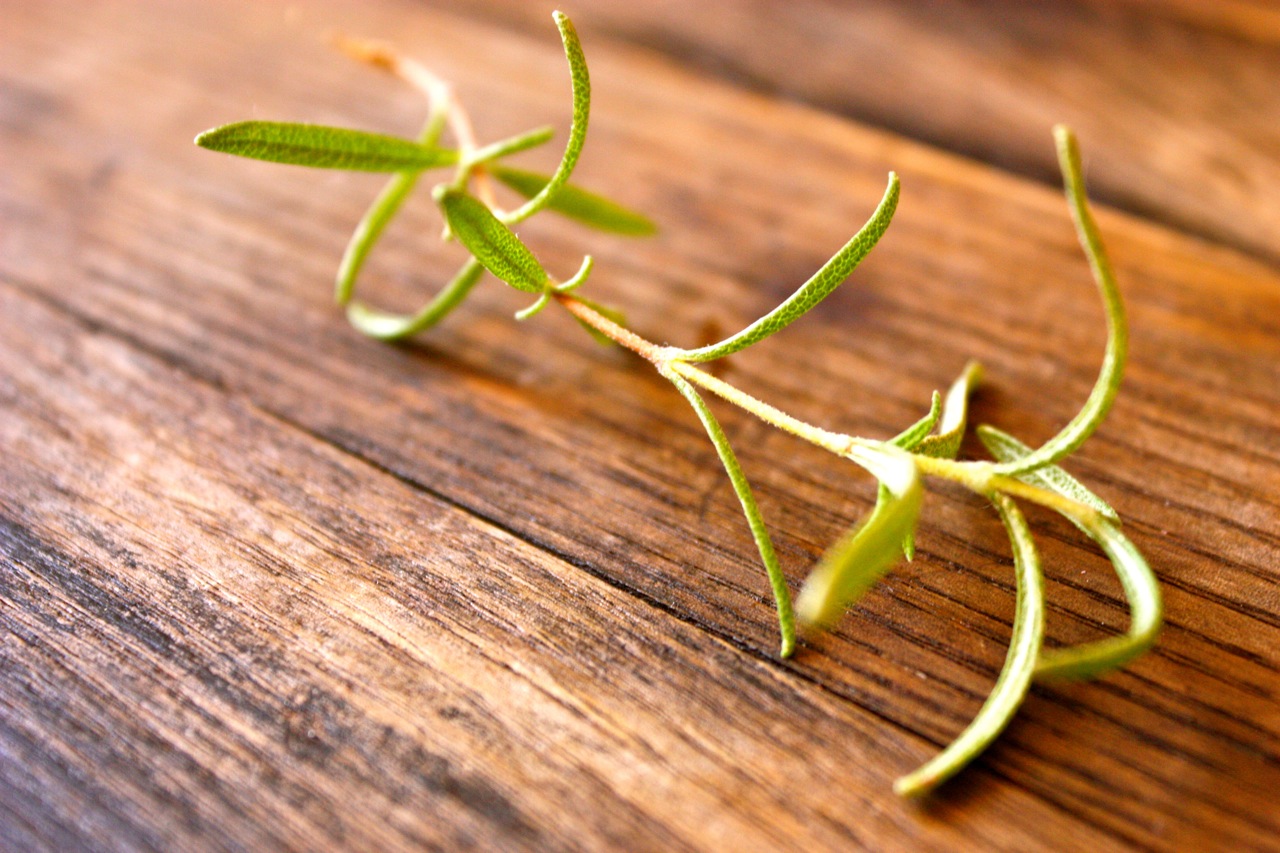
The longer I cook, the more I enjoy using rosemary, maybe because it reminds me of the pines in which I was raised and also because I try to always have a rosemary plant around. Rosemary seems to be one of the more versatile herbs one can use in a kitchen, as it lends itself immensely well to both sweet and savory dishes, and frankly I cannot think of a more well rounded flavor which suits both. Like many herbs we use today, rosemary, an evergreen a related to the mint family, is native to the Mediterranean. The name rosemary derived from the Latin ros marinus or dew of the sea, due to its ability to use humid sea air as its primary source of moisture. Aside from culinary usage, rosemary has long been thought of as a medicinal plant to improve circulation, memory, digestion and the immune system, as well as providing anti-inflammatory properties. Sweet potatoes and rosemary pair very well indeed, as the bold piney flavors taste delicious upon a rich sweet background. These sweet rosemary potato pancakes are made in the style of latkes, with sweet potatoes taking the place of white potatoes.
1 lb sweet potatoes, peeled and grated

1 yellow onion, trimmed and grated

1 tsp fresh rosemary, leaves removed from stem

2 eggs

1 tsp starch, potato or corn

¼ tsp pepper

½ tsp salt

1-2 tbsp olive oil

1. Combine the grated sweet potatoes and salt in a medium-mixing bowl, set potatoes aside for about 10-15 minutes. Drain liquid from potatoes by squeezing them and tightly wrapping them in a clean towel, removing as much excess water as possible. Return drained potatoes to original mixing bowl.

2. Next, combine the potatoes with the onions and rosemary. Add the eggs, starch and pepper and thoroughly combine with the vegetables creating the batter for the pancakes.

3. In a medium frying pan, heat 1 tbsp of oil over medium-low heat. Place a tablespoon of batter in the pan, flatten into a pancake and fry each side until golden brown on both sides, about 5 minutes. Repeat process with remaining batter, adding additional oil as necessary.

4. Serve pancakes warm or room temperature.

Serves 3-4

December 22, 2011

Portobello Mushrooms

Frankly, portobello mushrooms are not my favorite, I often find them much more tough and dry than most mushrooms, maybe because we consume them at an older age than most other mushrooms. However, when portobellos are allowed to braise slowly with onions, fresh herbs and garlic, they become very flavorful and quite delicious. Portobellos, conversely portabellas, are, in fact, a mature variation of Agaricus bisporus, the common white or brown mushroom native to Europe and North America, which is known by many different names depending upon their coloring, age and location. Braising the mushroom cap on top of the onion gill side up, lets the onion caramelize and the mushroom to braise in its own juices, creating a rich and hearty dish. They are lovely served with greens, asparagus and salad.

4 portobello mushrooms, stems removed

1 small onion, sliced into 4 ¼" thick rounds

4 cloves garlic, pressed or finely chopped

4 sprigs rosemary

1 tbsp olive oil

salt and pepper

1. Coat the bottom of a large skillet or shallow pan with olive oil and arrange the onion rounds so they are evenly spaced in the skillet or pan. Place the portobello mushroom caps on top of the onion rounds, gill side up. Generously season the mushrooms and place a clove of garlic and sprig of rosemary on each mushroom cap.

2. Turn the heat on to medium-low, cover the mushrooms and braise until tender, 15-20 minutes. Occasionally check the heat, to make sure the onions are not burning, and reduce as necessary. Once the mushrooms are fully cooked and tender, remove from heat and set aside for 5-10 minutes.

3. Serve the portobello mushrooms warm, along with the cooked onions and juices from the pan, season to taste with salt and pepper.

Makes 4 portobello mushrooms

October 6, 2011

Vegetarian Borscht

Beets were initially domesticated along the Mediterranean for their edible leaves and later for their sweet colorful roots. Though borscht may be served hot or cold, spelled any number of ways and made with a great variety of ingredients, the essential ingredient of borscht is beet. Borscht originated in Eastern Europe, likely in the Ukraine where the greatest number of variations on the soup are found and was predominately a peasant dish as beets were inexpensive. Eastern European and Middle Eastern immigrants introduced borscht into American cuisine and it continues to be a commonly served soup. Borscht is delicious served with a leek galette and arugula salad.

4 medium beets

2 carrots, peeled and roughly chopped

2 stalks celery, trimmed and roughly chopped

1 medium onion, trimmed and roughly chopped

1 clove garlic, peeled

1 sprig rosemary

1 sprig parsley

1 sprig oregano

3 tbsp butter

3-4 c water

salt and pepper

sour cream

parsley

1. In a large pot and steamer basket, steam beets until tender, 30-45 minutes. Peel beets while still warm and roughly chop. Set beets aside.

2. Meanwhile, in a large heavy bottomed pot, heat butter over medium low heat. Add onion, garlic, celery, carrot and herbs. Cover and simmer until vegetables are tender, stirring occasionally, 15-20 minutes.

3. Once vegetables are tender, add steamed beets and 3 c water. Return to a simmer, remove from heat and cool slightly. Using a blender, food processor or immersion blender, purée ingredients until smooth, adding additional water as desired.

4. Season to taste with salt and pepper. Add sour cream and fresh parsley as desired. Serve borscht warm, room temperature or chilled.

Serves 3-4

September 30, 2011

Fresh Lemon Tart with Sweet Rosemary Crust

Lemon, Citrus x limon, is the tart fruit of an evergreen, by the same name. Likely native to Asia, lemons were generally utilized for their medicinal properties as well as ornamental appeal. They spread to the Middle East and Europe about 2000 years ago, but were not truly cultivated until 500-1000 years ago. Lemons were brought to the States by Italian explorers, as they were being cultivated in Italy at the time, and eventually made their way into cuisine in the States during the 18th and 19th centuries as their cultivation increased in California and Florida. Lemons might be one of my favorite fruits to cook with due to its endless versatility. A fresh lemon tart is delicious with a little cream and a chilled glass of white wine sangria.

Lavender may be used in place of rosemary.

For the lovely Annie, on her birthday.

2 lemons, sliced paper thin

3 tbsp sugar

1 c flour

1 tbsp sugar

½ c cold butter, cubed

1 tsp fresh rosemary, finely chopped

½ tsp salt

1 cold egg

1 tbsp butter, melted

1. Combine lemons and 2 tbsp sugar, cover and macerate lemons in a non-reactive dish for 12-24 hours at room temperature. After macerating, adjust sugar to taste.

2. Next, combine flour, sugar, salt and rosemary, add butter and gently work into dry ingredients. Add egg and gently work in until crust barely holds together. Place dough in the refrigerator until chilled, about 30 minutes.

3. Preheat oven to 375 degrees. Using fingertips, press chilled crust into a 10" tart or 9" pie pan. Chill crust in pan for about 15 minutes.

4. Place crust in the oven and pre-bake until lightly golden brown, 8-12 minutes depending upon thickness of crust, watching carefully so as not to over cook. Leave oven on, but remove crust from oven.

5. Drain lemons, retaining liquid and spread evenly over baked crust. Combine liquid from macerated lemons and melted butter, evenly spoon over lemons. Return the tart to the oven, allowing lemons to heat and slightly brown, 2-4 minutes, watching carefully, so as not to overcook. Remove from heat and cool slightly.

6. Serve tart warm, room temperature or chilled. Plain or with cream or ice cream.

Makes one 9-10" tart

September 26, 2011

Roasted Eggplants with Tomatoes and Feta

Eggplant, native to India, is an edible fruit, truly a berry, in the nightshade family, which also includes tomatoes and potatoes. Eggplants are presently cultivated and consumed throughout the world and grow in a wide range of shapes, sizes and colors. The seeds of eggplant tend to be bitter due to the nicotine, an alkaloid found in the nightshade family, contained within them, making eggplants the most nicotine rich edible fruit humans consume. Roasting eggplants creates an especially rich and earthy flavor and they taste great served at any temperature. Roasted eggplants with tomatoes and feta are delicious pared with socca, braised lentils and tangerine beet salad.

Any variety of eggplant may be used with minor adjustments for size and shape.

6 small Japanese eggplant, trimmed and quartered lengthwise

½ tomato, finely diced

¼ red bell pepper, trimmed and finely diced

¼ onion, trimmed and finely diced

1 clove garlic, pressed or finely chopped

½ c feta

1 tbsp parsley, finely chopped

1 tbsp rosemary, stem removed and finely chopped

1 tsp olive oil

salt and pepper

olive oil

1. Preheat oven to 425 degrees. Spread eggplant on a baking dish, drizzle with olive oil and season with salt and pepper. Place eggplant in the oven and roast until tender, 10-15 minutes. Remove from oven and set aside.

2. In a medium mixing bowl, combine feta, tomato, bell pepper, onion, garlic, herbs and olive oil. Season to taste with salt and pepper. Serve roasted eggplant on a bed of greens and top with tomatoes and feta. Serve eggplant warm, room temperature or chilled.

Serves 3-4

September 10, 2011

Baked Leeks with Mushroom Wild Rice Pilaf

Wild rice is the seed of one of four aquatic grasses in the genus Zizania, three of which are native to North America and one is native to China, and has been consumed by people for thousands of years. Though wild rice is similar to rice from Asia, Oryza sativa, they are not directly related, which means wild rice is not truly rice. Because wild rice grows in colder conditions, the seed itself requires more energy to germinate resulting in high levels of protein. Wild rice makes a great addition to any number of dishes as it has a sweet nutty flavor and chewy texture. Baked leeks with mushroom wild rice pilaf is delicious with any number of dishes including feta roasted potatoes and arugula salad.

3 leeks, trimmed and halved

1 c small mushrooms, quartered

½ c cooked wild rice

1 tsp olive oil

1 tbsp butter

1 tsp rosemary

1 tsp parsley

salt and pepper

1. Preheat oven to 375 degrees. Spread leeks on a baking dish, drizzle with olive oil and season with salt and pepper. Bake leeks until tender, 10-15 minutes. Remove from oven and set aside.

2. Place butter in a medium pan over medium low heat. Add mushrooms and sauté until slightly browned, about 5 minutes. Add rice and herbs and stir to combine. Reduce heat to low, cover and cook for about 5 more minutes. Once rice is thoroughly heated and herbs are fragrant, remove from heat. Season to taste with salt and pepper.

3. Arrange leeks on plates or a platter, spoon pilaf over leeks. Serve warm or room temperature.

Serves 3-4

June 23, 2011

Veggie Burgers

Burgers made with vegetables, grains, egg and cheese are a great alternative or addition to burgers made with meat. Though it is possible to grill a veggie burger with a good amount of fat and care, they fry up just as easily and taste just as delicious. Most any ingredients can be used for the burger depending upon what flavors are desired but I have found beans create great texture and flavor not to mention additional protein. Veggie burgers are delicious topped with traditional and non-traditional burger toppings and a great with any number of vegetable sides.

Different kind of beans may be used, along with different cheeses and herbs.

½ c cooked black beans

1 c cooked chickpeas

2 eggs

½ c bread crumbs, finely ground

½ tsp rosemary, finely chopped

½ tsp oregano, finely chopped

1 shallot, finely diced

1 scallion, finely diced

½ c cheddar cheese, grated

½ tsp salt

¼ tsp ground pepper

1 tbsp olive oil

1. Place chickpeas and black beans in a food processor and pulse into a course meal. Combine beans, eggs, breadcrumbs, rosemary, oregano, shallot, scallion, cheese, salt and pepper in a medium-mixing bowl. Thoroughly combine ingredients.

2. Form mixture into patties of desired size, depending upon burger preference.

3. Heat olive oil in a large skillet over medium heat. Fry patties in batches until golden brown, 3-4 minutes per side. Serve veggie burgers warm with bread and toppings of choice.

Makes 4-12 patties depending on size of patty

May 26, 2011

Balsamic Roasted Vegetables

Asparagus is a beautiful spring vegetable, a wonderful ingredient for late May. Native to the old world, asparagus has been cultivated with the young shoot being consumed by humans for thousands of years appearing in the likes of Roman cookbooks and Egyptian friezes. Because of its wide appeal, asparagus lends itself well to any number of dishes and cooking techniques, but tends to shine with minor cooking. Balsamic vinegar, fresh herbs, garlic and honey provide and deliciously neutral flavor palate for roasted vegetables, so that they may be paired with many different entrées or eaten on their own as an appetizer, salad or snack. Balsamic roasted vegetables could easily be paired with an stuffed peppers, homemade pizza or a chicken tagine.

This recipe also works well on the grill. Different combination of vegetables and herbs may be used depending upon availability.

½ lb asparagus, trimmed

2 medium summer squash, trimmed and sliced lengthwise and ¼" thick

1 medium red bell pepper, trimmed and sliced lengthwise into 1" segments

1 medium red onion, trimmed and sliced lengthwise and ½" thick

2 tbsp balsamic vinegar

2 medium clove garlic, smashed

2 tsp honey

2 tbsp olive oil

½ tsp salt

¼ tsp ground pepper

1 tbsp fresh rosemary, finely chopped

1 tbsp fresh oregano, finely chopped

1. Arrange vegetables evenly in a large glass-baking dish. Combine vinegar, honey, salt, pepper, garlic and olive oil in a small bowl. Pour over vegetables and gently toss to evenly coat. Cover vegetables, place in refrigerator and marinate overnight, gently tossing occasionally.

2. In a single layer, arrange marinated squash, asparagus and bell pepper on a large baking sheet with edges. Spread onions and garlic on top of vegetables.

3. Preheat broiler. Broil vegetables for 5-7 minutes, until asparagus and onions are done. Remove asparagus, onions and garlic, flip squash and bell pepper, return to broiler for 2-3 minutes, until done. Once done, remove vegetables from heat and set aside

4. Meanwhile, place marinade in a small saucepan over medium heat. Bring marinade to a simmer and continue simmering until marinade has been reduced and thickened, about half as thick. Remove reduction from heat, cool slightly and add freshly chopped herbs.

5. Spoon reduction over vegetables before serving. Serve vegetables warm, room temperature or chilled.

Serves 3-4

April 11, 2011

Creamy Polenta

Polenta is an Italian version of cooked grain, commonly made with white or yellow cornmeal, and often referred to as a peasant food due to the use of an inexpensive and accessible ingredient. Cooked grains have been a staple of Italian cuisine for many years, though earlier forms of polenta utilized a variety of ingredients such as farro and chestnut because corn had yet to be introduced to Europe from the Americas. Polenta is served in different ways depending on the region including soft, dense, firm, shaped or fried. I like to serve polenta with stuffed summer squash or stuffed acorn squash.

Any grind of cornmeal will work, but cooking time may have to be adjusted. More water may be added as necessary. Any fresh herb will work.

1 c cornmeal, finely ground

4 c water

¼ c parmesan, grated

1 tbsp butter

1 large clove garlic, pressed or finely chopped

1 tsp fresh rosemary, finely chopped

salt and pepper

1. In a large heavy pot, combine cornmeal and water and place over medium-high heat. Bring contents to a boil, stirring continually to prevent cornmeal from clumping or sticking to the bottom. Reduce heat to medium or medium-low, so that contents are at a simmer. Continue stirring frequently until water content has been reduced and mixture is creamy, 30-40 minutes. Once desired consistency has been reached, remove polenta from heat.

2. Add Parmesan, butter, garlic and rosemary to polenta, stirring to thoroughly combine, cover and set aside for 10 minutes.

3. Season to taste with salt and pepper. Serve warm.

Serves 3-4

December 31, 2010

Rosemary Brown Rice Fritters

Sweet brown rice is one of my favorite kinds of rice because it has pleasing texture, flavor and color. I have found one of the better ways to cook brown rice is to boil it in a pot full of water until almost done, drain it, return it to the pot, cover it and allow it to finish cooking on its own. The boiling method takes the same if not less time and results in a perfectly cooked grain every time. I found inspiration for these fritters while reading an article in Saveur magazine on brown rice grown in California. Rice fritters are delicious with mustard green soup and beer stewed pork.

Other herbs may be substituted for either parsley or rosemary. A mechanical ice cream scoop works the best because it helps the rice mixture compact and hold together.

2 c cooked sweet brown rice

½ c parmesan, grated

¼ c flour plus more for coating fritters

¼ c parsley, finely chopped

1 tbsp rosemary, finely chopped

1 egg

2 tbsp olive oil

½ tsp salt

¼ tsp pepper

1. Thoroughly combine rice, flour, parmesan, parsley, rosemary, salt and pepper in a medium mixing bowl. Place 2 tbsp flour on a plate for coating rice patties. Form rice mixture into 1" fritters using two spoons or a mechanical ice cream scoop. Coat both sides of fritters with flour and place on parchment or wax paper lined baking sheet.

2. Meanwhile, heat olive oil in a medium skillet over medium heat. Gently transfer fritters to skillet with spatula. Brown fritters on each side, 3-4 minutes, adding olive oil to skillet as necessary. Once both sides have browned, remove fritters from heat.

3. Serve fritters warm or room temperature.

Serves 3-4

December 1, 2010

Winter Wheat Berry Salad with Bacon, Corn and Arugula

I have found grain salads to be an excellent way to increase the use of whole grains in my cooking. There are many different grains to choose from and each one is unique in flavor, texture and appearance. Grains are easy to cook in boiling water, but generally take a few hours. I like to make grain salads throughout the year as they are versatile, a great addition to most any meal and delicious on their own. Wheat berry salad tastes good along side blue potatoes and fennel beet salad.

Other types of grain may be substituted for hard red winter wheat berries. Spinach would also work well, depending on availability and preference.

2 c cooked hard winter wheat berries

2 strips bacon, finely sliced

1 medium red onion, finely diced

1 c corn, fresh or frozen

2 c fresh arugula, roughly chopped

1 tsp fresh rosemary, finely chopped

salt and pepper

1. Place cooked wheat berries in a large mixing bowl and set aside.

2. Meanwhile, heat a large skillet over medium heat. Add bacon and brown, stirring occasionally. Once bacon has browned, add onions and cook until translucent. Add corn and rosemary, continue cooking until rosemary is fragrant and corn is cooked, about 2-3 minutes. Once ingredients are ready, remove the skillet from heat.

3. Next, add arugula to the skillet and stir to combine, allowing arugula to wilt slightly. Place all ingredients in the large mixing bowl with the wheat berries and gently combine. Season to taste with salt and pepper. Serve warm or room temperature.

Serves 3-4

November 20, 2010

Fresh Pickles

I love pickled vegetables, of all varieties, likely due to my northern European heritage. As I tend to err on the side of impatience, I prefer to make fresh pickles instead of actually canning because they are delicious, easy to make and last for a few months in the refrigerator. Making your own fresh pickles is a lovely way to eat more vegetables.

Different combinations of vinegars, vegetables and herbs may be used depending on preference and availability.
Beets with Thyme

4 medium beets, steamed until tender, peeled and thinly sliced into rounds

1 small yellow onion, trimmed and thinly sliced

1 large clove of garlic, smashed

1 long sprig of thyme

1 tsp whole peppercorns

1 ½ tbsp salt

1 tbsp sugar

1 c apple cider vinegar

1 c water

1 quart-liter size glass jar with lid

Cucumbers with Sage

1 large cucumber, thinly sliced into rounds

1 small yellow onion, trimmed and thinly sliced

1 large clove of garlic, smashed

1 long sprig of sage

1 tsp whole peppercorns

1 ½ tbsp salt

1 tbsp sugar

1 c rice wine vinegar

1 c water

1 quart-liter size glass jar with lid

Carrots with Rosemary

4 medium carrots, peeled, cut into rounds and steamed until tender

1 small yellow onion, trimmed and thinly sliced

1 large clove of garlic, smashed

1 long sprig of rosemary

1 tsp whole peppercorns

1 ½ tbsp salt

1 tbsp sugar

1 c apple cider vinegar

1 c water

1 quart-liter size glass jar with lid

1. Combine vinegar, water, sugar, salt, peppercorns, onions and garlic in a medium saucepan and heat over medium heat. Simmer until salt and sugar is dissolved and onions are tender, about 4-5 minutes, and then remove from heat.

2. Meanwhile, place herb sprig in jar. Next, layer the prepared vegetables with the cooked garlic and onions. Finally, pour the heated liquid over the ingredients in the jar, cover with lid and place in the refrigerator.

3. Allow to pickle for about one day. Fresh pickles will keep in the refrigerator for about 3-4 months.

Makes 2-3 cups of pickles