April 29, 2012
Maple Glazed Carrots
April 15, 2012
Creamy Celeriac Soup
I was recently able to visit my friends who run Six River Farm in Maine, where spring is just beginning and a few roadside banks of melting snow remained. Though they are able to sell produce year round, the selection is more limited than their summer and fall abundance as the outdoor growing season is just getting started. However, I was able to bring home greens including spring mix, spinach, cabbage and kale and root vegetables including carrots, potatoes and one of my favorites, celeriac. I have featured celeriac before, purée with carrots and I continue to cook with this often-overlooked root vegetable. Roasting the celeriac for the soup creates a rich and well-balanced flavor, allowing few ingredients to be used for a simple creamy soup, especially delicious with an arugula and orange or beet and goat cheese salad.
For a vegan alternative, olive oil and water may be used in place of butter and cream.
2 medium celeriac roots, peeled and roughly chopped into 2" pieces
1 yellow onion, roughly chopped
2 tbsp butter
2 c water
¼ c cream
salt and pepper
olive oil
1. Preheat the oven to 350 degrees. Drizzle the celeriac with enough olive oil to coat, toss and spread on a roasting sheet. Place the celeriac in the oven and roast until tender, 20-30 minutes, stirring occasionally to prevent burning. Once the celeriac is golden brown and tender, remove from the oven and set aside.
2. Meanwhile, heat butter in a large saucepan over low heat. Add the onion and sauté until translucent. Continue sautéing, adding the roasted celeriac and water, cover the soup and simmer over low heat for 15-20 minutes. Remove the soup from heat and cool slightly before blending.
3. Place the soup in a blender or food processor and blend until smooth. Add cream and continue blending, adding small amounts of water as desired. Season to taste with salt and pepper. Serve warm or room temperature.
Serves 3-4
April 3, 2012
Tabbouleh
Edible herbs are part of longstanding culinary traditions in the Middle East, so much so that the word tabbouleh comes from tabil, the Arabic term for seasoning. Tabbouleh, a traditional Middle Eastern salad served as part of lunch and dinner, is most often made from fresh herbs, tomatoes and bulgur. Wheat berries are made into bulgur through a process of soaking, cooking, drying and cracking the whole kernels and is one of the oldest human culinary uses of wheat. Depending on the region, different tabbouleh recipes may have different proportions of bulgur to fresh herbs; however, I like to make mine about equal, so the herbs are fragrant against the chewy texture of the wheat berries. Homemade tabbouleh is delicious with roasted eggplant salad and balsamic marinated vegetables.
½ c bulgur
1 bunch parsley, finely chopped
2 tbsp mint, finely chopped
1 medium tomato, finely diced
1 small onion, finely diced
1 clove garlic, pressed or finely chopped
1 lemon, juiced
½ tbsp olive oil
salt and pepper
1. Soak the bulgar in water until tender, about 1 hour, drain thoroughly and set aside in a medium-mixing bowl.
2. Add the remaining ingredients to the bulgar and gently fold to combine. Marinate the tabbouleh for at least an hour before serving. Season to taste with salt and pepper. Serve room temperature or chilled.
Serves 3-4
March 15, 2012
Asparagus and Pea Salad
I often find it entirely satisfying to compose an entire meal of simple vegetable side dishes. I would say especially in the spring and summer, when vegetables are most plentiful, but really it is something I do throughout the year. However, asparagus and peas remind me of spring and so they seem a fitting side dish to signify the return of spring. Roasting the asparagus before chopping and combining it with the other ingredients, lends a nice earthy flavor to the entire dish and accentuates the sweetness of the peas, tangerine and shallots. For spring, asparagus and pea salad pairs well with baked leeks and caramelized fennel.
2 bunches asparagus, trimmed
½ c peas
2 tbsp parsley, finely chopped
2 small shallots, thinly sliced into rounds
1 tangerine, juiced
2 tsp olive oil
salt and pepper
1. Preheat oven to 425 degrees. Spread asparagus evenly on a baking sheet and drizzle with a tsp of olive oil. Place in the oven and roast until tender, about 3 minutes. Remove from oven and set aside to cool. Once cool, slice the asparagus into thin rounds.
2. Meanwhile, heat 1 tsp olive oil over medium heat in a small frying pan. Add shallots and sauté until golden brown, about 5 minutes, stirring continuously so as not to burn. Once the shallots are brown, place in a bowl with the peas, parsley, tangerine juice, asparagus, and fold to combine. Season to taste with salt and pepper. Serve warm, room temperature or chilled.
Serves 3-4
March 8, 2012
Sweet Rosemary Potato Pancakes
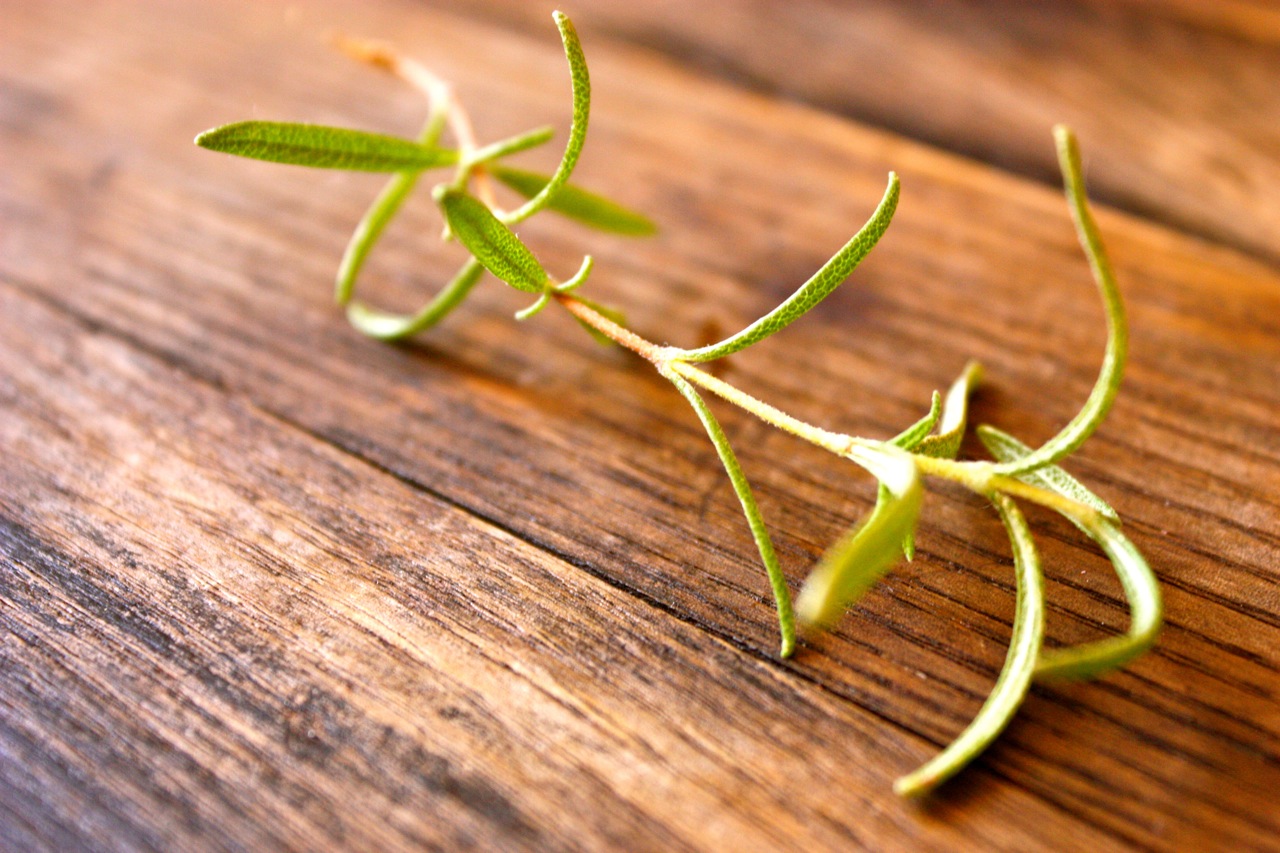
The longer I cook, the more I enjoy using rosemary, maybe because it reminds me of the pines in which I was raised and also because I try to always have a rosemary plant around. Rosemary seems to be one of the more versatile herbs one can use in a kitchen, as it lends itself immensely well to both sweet and savory dishes, and frankly I cannot think of a more well rounded flavor which suits both. Like many herbs we use today, rosemary, an evergreen a related to the mint family, is native to the Mediterranean. The name rosemary derived from the Latin ros marinus or dew of the sea, due to its ability to use humid sea air as its primary source of moisture. Aside from culinary usage, rosemary has long been thought of as a medicinal plant to improve circulation, memory, digestion and the immune system, as well as providing anti-inflammatory properties. Sweet potatoes and rosemary pair very well indeed, as the bold piney flavors taste delicious upon a rich sweet background. These sweet rosemary potato pancakes are made in the style of latkes, with sweet potatoes taking the place of white potatoes.
1 lb sweet potatoes, peeled and grated
1 yellow onion, trimmed and grated
1 tsp fresh rosemary, leaves removed from stem
2 eggs
1 tsp starch, potato or corn
¼ tsp pepper
½ tsp salt
1-2 tbsp olive oil
1. Combine the grated sweet potatoes and salt in a medium-mixing bowl, set potatoes aside for about 10-15 minutes. Drain liquid from potatoes by squeezing them and tightly wrapping them in a clean towel, removing as much excess water as possible. Return drained potatoes to original mixing bowl.
2. Next, combine the potatoes with the onions and rosemary. Add the eggs, starch and pepper and thoroughly combine with the vegetables creating the batter for the pancakes.
3. In a medium frying pan, heat 1 tbsp of oil over medium-low heat. Place a tablespoon of batter in the pan, flatten into a pancake and fry each side until golden brown on both sides, about 5 minutes. Repeat process with remaining batter, adding additional oil as necessary.
4. Serve pancakes warm or room temperature.
Serves 3-4
March 2, 2012
Chili sin Carne
Chili has been a staple of the American diet for hundreds of years, first documented by Spanish conquistadors in writings about their findings in Mexico, which included the dish chili con carne in 1519. Most commonly in Mexico, the dish consisted of meat endlessly stewed with spices, but the ingredients would vary when it reached the American west depending upon availability. Chili became especially popular in Texas, where they saw both the chili queens, who would cook chili in the plaza over open fires in the evening, and chili parlors, small dining establishments devoted to the dish. Currently, many current versions of chili seems a far cry from the stewed meat and spices, especially because beans and tomatoes are both questioned as to whether they truly belong in the dish. All conventions aside, chili, even without the key ingredient of meat, can be a great dish using surplus ingredients, which can be made ahead and either eaten immediately or frozen for later. Homemade tortillas are especially delicious with chili sin carne.
1 c black beans, cooked
2 c tomatoes, diced
1 onion, finely chopped
1 carrot, finely diced
1 stalk celery, finely diced
1 red bell pepper, finely diced
1 summer squash, finely diced
1 c mushrooms, thinly sliced
1 clove garlic, finely pressed or chopped
¼ c cilantro, finely chopped
1 tbsp vegetable oil
1 tsp chili powder
½ tsp ground cumin
salt
water
1. Heat the oil in a large heavy pot over medium heat and add the chili powder and cumin and stir until fragrant, about 1 minute. Add the onion and garlic, stir and sauté until soft, about 5 minutes. Add the celery, carrot and mushrooms, stir to combine and continue sautéing until the vegetables are tender, stirring continually to prevent burning.
2. Next, add the red bell pepper and summer squash and sauté until tender. Fold in the beans and tomatoes, and add ¼-½ c water, so the liquid is not quite even with the vegetables, cover and simmer over medium-low, until most of the liquid has been absorbed. Once the liquid has been reduced and the vegetables are soft, remove from heat, stir in half the cilantro and season to taste with salt.
3. Serve the chili warm or room temperature with fresh cilantro and additional toppings as desired.
Serves 3-4