Showing posts with label celery. Show all posts

October 12, 2011

Potato Pancakes

Potatoes were most likely introduced to Europe by Spanish explorer during the 16th century, so potato pancakes were born after their introduction. Potato pancakes are a staple of many traditional European cuisines especially in Eastern and Northern Europe and one of my favorite ways to eat potatoes. The vegetable pancakes are made using any number of different ingredients depending upon the culinary tradition followed, though all contain either raw or pre-cooked potatoes. I love them because they are reminiscent of the hash browns I loved as a child and can be eaten warm, room temperature or chilled with any number of toppings. Potato pancakes are delicious served with dark greens including collard or kale and bacon braised chicken.

1 lb new potatoes, grated

1 yellow onion, trimmed and grated

2 scallions, finely sliced

1 stalk celery, finely sliced

1 tbsp parsley, finely chopped

2 eggs

1 tsp starch, potato or corn

¼ tsp pepper

½ tsp salt

1-2 tbsp olive oil

1. Combine the grated potatoes and salt in a medium-mixing bowl, set potatoes aside for about 10-15 minutes. Drain liquid from potatoes by squeezing them and tightly wrapping them in a clean towel, removing as much excess water as possible. Return drained potatoes to original mixing bowl.

2. Next, combine the potatoes with the scallions, parsley, onions and celery. Add the eggs, starch and pepper and thoroughly combine with the vegetables creating the batter for the pancakes.

3. In a medium frying pan, heat 1 tbsp of oil over medium-low heat. Place a tablespoon of batter in the pan, flatten into a pancake and fry each side until golden brown on both sides, about 5 minutes. Repeat process with remaining batter, adding additional oil as necessary.

4. Serve pancakes warm or room temperature, with sour cream or applesauce if desired.

Serves 3-4

October 6, 2011

Vegetarian Borscht

Beets were initially domesticated along the Mediterranean for their edible leaves and later for their sweet colorful roots. Though borscht may be served hot or cold, spelled any number of ways and made with a great variety of ingredients, the essential ingredient of borscht is beet. Borscht originated in Eastern Europe, likely in the Ukraine where the greatest number of variations on the soup are found and was predominately a peasant dish as beets were inexpensive. Eastern European and Middle Eastern immigrants introduced borscht into American cuisine and it continues to be a commonly served soup. Borscht is delicious served with a leek galette and arugula salad.

4 medium beets

2 carrots, peeled and roughly chopped

2 stalks celery, trimmed and roughly chopped

1 medium onion, trimmed and roughly chopped

1 clove garlic, peeled

1 sprig rosemary

1 sprig parsley

1 sprig oregano

3 tbsp butter

3-4 c water

salt and pepper

sour cream

parsley

1. In a large pot and steamer basket, steam beets until tender, 30-45 minutes. Peel beets while still warm and roughly chop. Set beets aside.

2. Meanwhile, in a large heavy bottomed pot, heat butter over medium low heat. Add onion, garlic, celery, carrot and herbs. Cover and simmer until vegetables are tender, stirring occasionally, 15-20 minutes.

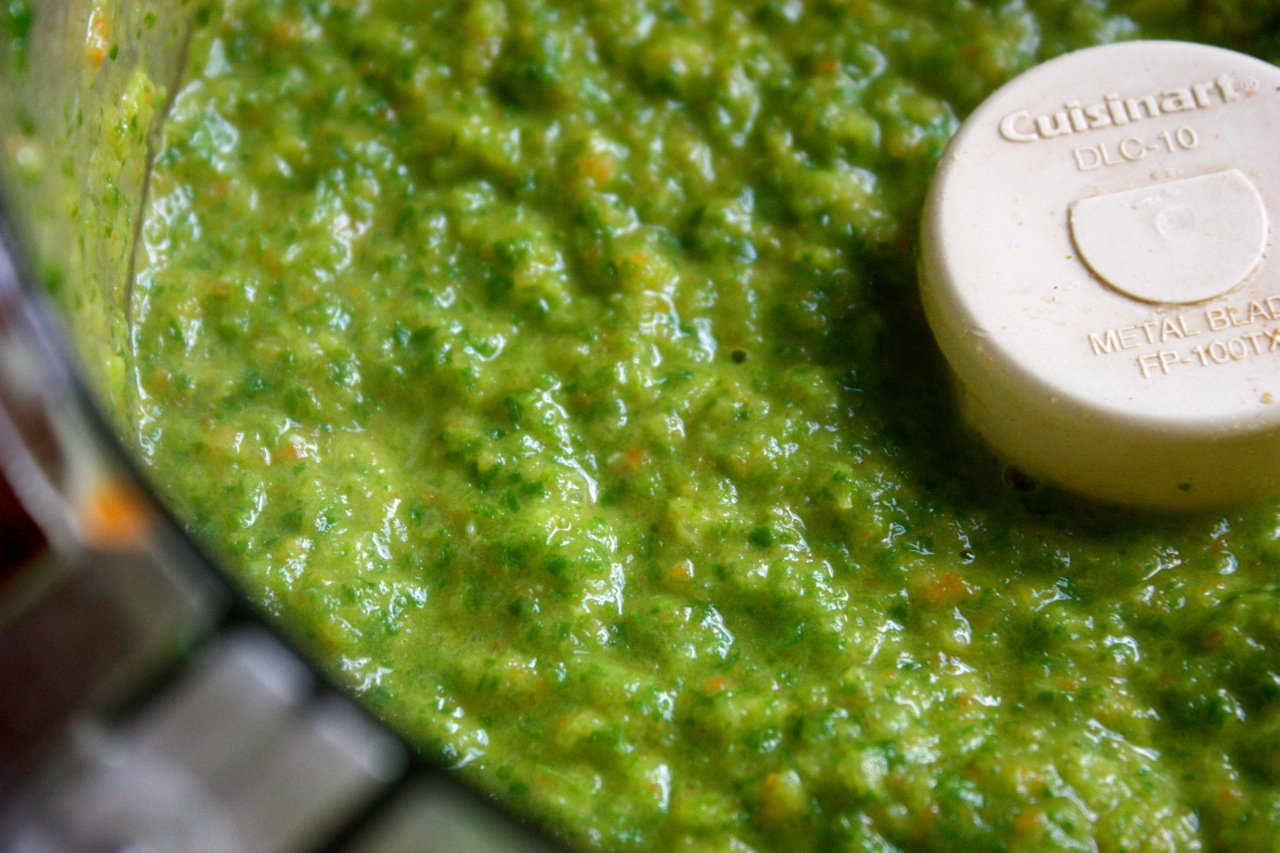
3. Once vegetables are tender, add steamed beets and 3 c water. Return to a simmer, remove from heat and cool slightly. Using a blender, food processor or immersion blender, purée ingredients until smooth, adding additional water as desired.

4. Season to taste with salt and pepper. Add sour cream and fresh parsley as desired. Serve borscht warm, room temperature or chilled.

Serves 3-4

April 28, 2011

Tomato Braised Lentils

Lentils, a type of pulse or legume, have been a part of the human diet for thousands of years and were one of the first crops domesticated in the Near East. They are an excellent and inexpensive source of protein and so an important part of the diet in parts of the world with large vegetarian populations. Lentils are easy to cook and a versatile ingredient, which lend them well to an array of dishes aside from lentil soup. I like braised lentils along side feta roasted potatoes and fried sweet potatoes.

Any type of lentil will work for this dish, though water amounts and cooking times might require adjustments.

1 c lentils

1 medium carrot, peeled and finely diced

1 stalk celery, trimmed and finely diced

1 medium yellow onion, trimmed and finely diced

1 clove garlic, pressed or finely chopped

½ c white wine

3 c water plus more as necessary

1 c tomato purée

1 tbsp parsley, finely chopped

½ tsp oregano, finely chopped

½ tsp basil finely chopped

1 tbsp olive oil

salt and pepper

1. Heat olive oil in a medium Dutch oven or similar style heavy-bottomed pot over medium heat. Add onion, carrot and celery and sauté until translucent, about 5 minutes. Add garlic and lentils, stir to combine, add wine and bring to a simmer. Add water, cover pot, reduce heat to medium or medium-low and simmer lentils until tender, about 30-45 minutes.

2. Once lentils are tender, stir in tomato purée, bring to a simmer, cover and braise until liquid has been reduced.

3. Add freshly chopped herbs, remove lentils from heat and set aside for about 10 minutes. Season to taste with salt and pepper. Serve warm or room temperature

Serves 3-4

April 3, 2011

Summer Squash Stuffed with Ricotta

Squash originated in the Americas and the genus Curcurbita has been cultivated for thousands of years. Summer squash, like zucchini, are fruits from the species C. pepo. Summer squash are harvested when still immature so that their rind is still tender and therefore edible. Due to their tenderness, summer squash have a shorter storage life than their winter counterparts. Summer squash are versatile vegetables, being so tender and mild, and I like cooking with them often. The ricotta filling accompanies the squash well with a subtle but rich flavor. I have served stuffed squash with gnocchi and arugula pesto or creamy polenta.

Zucchini may be used instead of summer squash.

2 medium summer squash, halved

1 medium carrot, trimmed and finely diced

1 stalk celery, trimmed and finely diced

1 small yellow onion, trimmed and finely diced

1 clove garlic, pressed or finely chopped

¼ c parsley, finely chopped

1 tbsp olive oil plus more for drizzling

1 c ricotta

¼ c breadcrumbs

1 small tomato, sliced into thin rounds

salt and pepper

1. Preheat oven 375 degrees. Using a spoon, scoop seeds and pulp from squash halves until the shells are roughly ¼ inch thick. Brush with olive oil and set aside.

2. Heat 1 tbsp olive oil in a medium skillet over medium heat. Add onion, celery and carrot and sauté until translucent, about 5 minutes, add garlic and remove from heat.

3. Combine ricotta, parsley, breadcrumbs and sautéed ingredients in a medium mixing bowl. Season to taste with salt and pepper.

4. Fill each squash half with ricotta mixture until level with rim. Place halves in a baking dish with filling sides up, lay tomato rounds on top of filled squash and drizzle with olive oil.

5. Bake squash halves until lightly browned and tender, 20-30 minutes. Remove from oven and let cool, 5-10 minutes. Serve warm or room temperature.

Makes 4 stuffed squash


March 8, 2011

Roasted Bell Peppers Stuffed with Rice Pilaf

I made a meal for a few friends over the holidays and wanted to make the same entrée with both an omnivore and vegetarian option. I happened to have many bell peppers around and decided to stuff bell peppers with a rice pilaf either with or without lamb. The bell pepper originated in Central American and is the only member of the Capsicum genus lacking capsaicin, the chemical causing heat. Bell peppers work perfectly for stuffing because they can maintain their shape after cooking and go well with mashed carrots and marinated green beans.

I used wild rice but any rice will work. Lamb is optional depending upon preference. Any variety of bell pepper will work.

For Kim, who requested a stuffed bell pepper recipe.

2 medium bell peppers, halved lengthwise

1 c cooked rice

1 clove garlic, pressed or finely chopped

¼ c parsley, finely chopped

1 medium red onion, trimmed and finely diced

1 stalk celery, trimmed and finely diced

8 button mushrooms, halved and finely sliced into quarters

¼ lb ground lamb*

1 tbsp kalamata olives, finely chopped

¼ c feta

1 tbsp olive oil plus more for rubbing peppers

1 tbsp butter

salt and pepper

*optional

1. Preheat oven to 400 degrees. Remove seeds and pith from peppers. Rub peppers with olive oil and set them aside.

2. Meanwhile, heat olive oil and butter in a medium skillet over medium heat; add onions and sauté until soft. Once onions are soft, add celery, garlic and mushrooms and continue sautéing until mushrooms are soft. Remove from heat and place sautéed ingredients in a medium mixing bowl.

3. Add rice, olives, feta, parsley and lamb (if using) to the sautéed ingredients and thoroughly combine. Stuff peppers with rice pilaf and place in a baking dish.

4. Bake peppers until soft and browned, 20-30 minutes. Remove peppers from oven and cool for about 10 minutes.

5. Serve stuffed peppers warm or room temperature.

Makes 4 stuffed peppers

February 9, 2011

Southwestern Stewed Pork and Beans

I first came across Christmas lima beans while shopping at a farmer's market in Tucson, Arizona. The Native Seeds Search was selling them along with many other beans and grains. I was drawn to their red and white color immediately and decided to bring them home to New York to cook with them. Christmas lima beans were popular in the South during the mid-19th century and have only recently resurfaced with the help of heirloom bean growers around the country. They have subsequently become one of my favorite beans. Though they can be difficult to find, I have been able to order them online and find them at specialty markets. Beet salad or marinated brassicas or beets and tangerines would make a nice starter or side to this stew.

Any variety of bean will work for this stew, such as a kidney, pinto or other lima bean.

½ lb pork shoulder, cut into 1 inch cubes

2 c Christmas lima beans, cooked

1 medium yellow onion, trimmed and diced

1 medium carrot, peeled and diced

1 stalk celery, trimmed and diced

1 large red pepper, trimmed and diced

1 small waxy potato, peeled and diced

½ c corn, fresh or frozen

2 cloves garlic, smashed

1 tsp chili powder

½ tsp ground cumin

½ c beer

2 c stock

water

salt and pepper

1. Heat 1 tbsp vegetable oil in a large Dutch oven, or similarly heavy pan, over medium heat. Add pork, brown each side, remove pork from pan and set aside.

2. Keeping pan over medium heat, add 1 tbsp vegetable oil. Add the potato and fry until golden brown. Next, add onion, carrot, pepper and celery, sautéing until translucent. Add cumin, chili and garlic and continue sautéing until fragrant, about 2-3 minutes.

3. Add beer to the Dutch oven and bring to a simmer. Return the browned pork to the Dutch oven, add cooked beans and return ingredients to a simmer. Once simmering, add stock, reduce heat to low, cover and simmer until pork is tender, about 20 minutes. Add additional water if necessary to maintain cooking liquid.

4. Once pork is tender, remove stew from heat, add corn and water if necessary. Cover and set for 10 minutes. Season to taste with salt and pepper.

5. Serve warm with sour cream and cilantro or toppings of choice.

Serves 3-4

January 21, 2011

Vegetable or Vegetable Lamb Pasties

Pasties, likely originating in England, were traditionally fed to laborers, particularly miners, because they could hold the crust, eat the filling without touch it and discard the dirty crust once they had finished eating. Butte, Montana has a strong tradition of pasties due to it being a mining town with Irish heritage. I like making pasties because they are such a perfect meal, work with many different fillings and can easily be taken to go or frozen for later. Soups such as mustard green or roasted squash and salads such as caesar or beet make great starters for pasties.

Other ground meats may be substituted for lamb such as beef or bison. Other combinations or proportions of vegetables will work as well. Most fresh herbs will work in the crust including rosemary, thyme, mint or parsley.

Made especially for Annie, who specifically requested pasties.

Crust

2 ¼ c flour

1 c chilled butter, cubed

2 tsp baking powder

1 tbsp fresh herbs, finely chopped

1 tsp salt

¼ tsp ground pepper

ice water

Filling

1 medium red potato, finely cubed

1 stalk celery, trimmed and finely diced

1 leek, trimmed and thinly sliced

1 carrot, trimmed and finely diced

½ c peas

½ c spinach, roughly chopped

5 button mushrooms, halved lengthwise and thinly sliced

¼ lb ground lamb*

1 tbsp butter, melted

½ tsp salt

¼ tsp pepper

1 egg, beaten

*lamb may be added or omitted depending upon preference

1. To make crust: thoroughly combine flour, butter, baking powder, herbs, salt and pepper in a mixing bowl or food processor. Slowly add ice water, 1 tbsp at a time, to flour mixture and gently combine until dough begins to form. Being careful not to add too much water or over work dough. Form dough into two balls and place in the refrigerator.

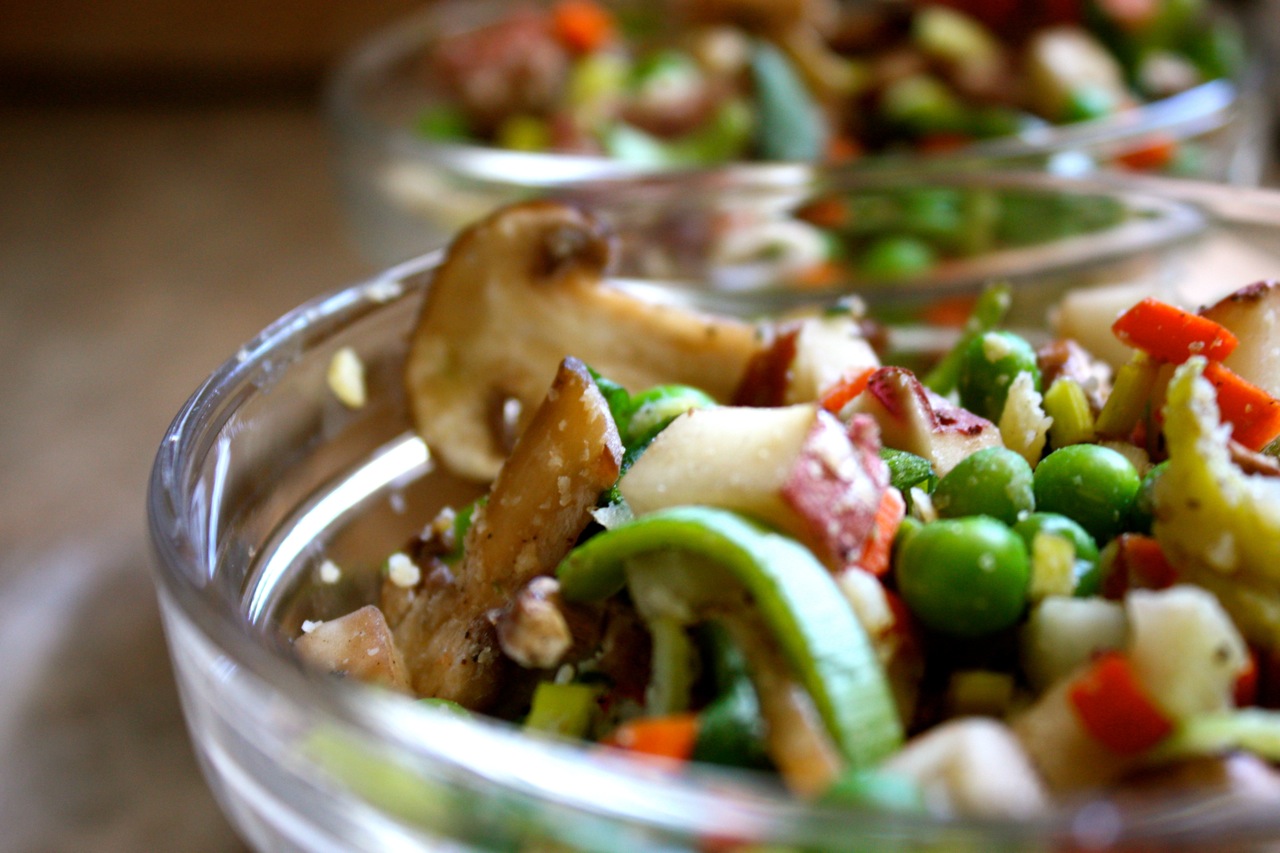
2. To make filling: combine all vegetables, butter, seasoning and lamb if desired in a large mixing bowl. There may be remaining filling depending upon desired size of pasties.

3. Preheat oven to 375 degrees. Remove dough from refrigerator, each ball between two squares of parchment paper and roll each into a 12" diameter circle. Place 1 ½ -2 c filling on ½ of each circle, leaving a 2" border of dough. Fold the other ½ of the dough over the filling. Pinch border closed, cut a 1" slit into the top of the pastie and place pastie on a baking sheet. Repeat process with second circle. Brush pasties with beaten egg.

4. Place pasties in oven and bake until golden brown, 30-40 minutes. Remove pasties from oven and cool for 5-10 minutes. Serve pasties warm.

Makes 2 pasties

January 13, 2011

Mustard Green Soup with Ginger and Bacon

Dark leafy greens seem very fitting for winter, particularly where little green is to be found outside. I appreciate greens for the colors and flavors they offer to dishes made with them. Mustard greens are an especially flavorful variety of leafy greens and so are able to be watered down into a soup while maintaining their taste. I likely was inspired by Asian cuisine with the combination of mustard greens, bacon and ginger. Roasted bell peppers and sesame rice are great entrées with mustard green soup.

Bacon provides the most flavor, though butter or olive oil may easily be used as a substitute. A blender may be used instead of a food processor.

1 bunch of mustard greens, chopped

1 yellow onion, trimmed and chopped

1 medium carrot, trimmed and chopped

1 stalk celery, trimmed and chopped

1 c chicken or vegetable stock

1 clove garlic, chopped

1 tsp fresh ginger, grated

2 strips of bacon, thinly sliced

1 tbsp olive oil

water

salt and pepper

1. Heat a large pot over medium heat. Add bacon and brown. Once bacon has browned, add olive oil, onion, carrot and celery, sautéing vegetables until tender. Add stock and bring to a simmer. Once simmering, add garlic, ginger and mustard greens, continue simmering until greens are tender and brilliant green, 2-3 minutes. Remove the pot from heat.

2. Next, combine ingredients from pot into food processor. Blend ingredients until smooth.

3. Finally, return ingredients to pot and add water ½ c at a time until desired soup consistency has been attained. Season to taste with salt and pepper.

4. Serve the soup room temperature or hot.

Serves 3-4

December 21, 2010

Acorn Squash Stuffed with Red Quinoa

I grew up eating quinoa, thanks to my whole food roots, and although I was not always fond of it as a child, I have been able to appreciate quinoa again as an adult. Quinoa, from the Andes, is not actually a grain but instead a chenopod, closely related to beets and spinach. Red quinoa is especially nice because it maintains its color after cooking and provides a good contrast to the yellow of the squash. Greens such as mustard green soup, orange pecan kale or walnut lemon chard compliment the sweet flavor of squash.

Other varieties of similarly sized squash could be used. Most fresh herbs may be used in addition to or as a substitute. Any type of quinoa may be used in place of red quinoa.

Dedicated to the lovely Samantha Wren, who joined my sister and I in eating these squash.

1 acorn squash, halved and seeded

1 c cooked red quinoa

1 medium carrot, trimmed and finely diced

½ white onion, trimmed and finely diced

1 stalk celery, trimmed and finely diced

5 button mushrooms, halved and thinly sliced

1 tbsp thyme

1 tbsp sage, finely chopped

1 tbsp olive oil plus more for rubbing squash

salt and pepper

1. Pre-heat oven to 425 degrees. Rub squash halves with olive oil and place in oven. Bake until tender and slightly browned, 30-45 minutes. Remove squash from oven when ready, set aside and leave oven on.

2. Meanwhile, heat olive oil in a medium skillet over medium heat. Add onion, carrot and celery, sautéing until the onion is translucent. Add mushrooms and continue sautéing vegetables until mushrooms are tender. Turn heat off; add herbs and sauté off heat for another minute or until the herbs are fragrant.

3. Combine cooked red quinoa with the sautéed vegetables in a medium mixing bowl. Season to taste with salt and pepper.

4. Finally, stuff each squash half with red quinoa stuffing and place both stuffed halves in a baking dish. Return the squash to the oven and bake until the red quinoa begins to brown, 10-15 minutes. Serve warm or room temperature.

Serves 2-4

November 28, 2010

Beer Stewed Pork with Apples and Leeks

Warm pots of stewed foods seem especially fitting for fall and the combination of leeks, pork and apples only enhances the fittingness for fall. I made this dish earlier in November, before the snow arrived in Montana and picked the apples from a tree in the yard, which seemed an appropriate way to spend time while the leaves were changing. Now a blanket of snow has replaced the colorful leaves, and a pork and beer stew seems even more appealing for the colder weather. Stewed pork may be served with many different dishes including brown rice fritters and chickpea flatbread.

Any variety of tart firm apple lends itself well to the pork and beer. I used new purple potatoes again because I love their color, but other new waxy potatoes are just as good. A light to medium beer is best, as dark beer tends to mask the flavors of the other ingredients.

1 lb pork chops, cut into 1 inch cubes

1 leek, trimmed and roughly chopped

2 c apples, trimmed and quartered or halved depending on size of apple

½ red pepper, trimmed and finely diced

1 medium carrot, peeled and finely diced

2 stalks of celery, trimmed and finely diced

2 c new potatoes, quartered

¼ c parsley, finely chopped

½ c water

2 tbsp olive oil

1 12 oz beer, light or medium

salt and pepper

2 c cooked sweet brown rice

1. Heat 1 tbsp olive oil in large heavy-bottomed pot over medium-high heat. Add pork and brown, stirring occasionally to prevent sticking. Remove pork from pot and set aside.

2. Reduce heat to medium and add 1 tbsp olive oil to pot. Add the potatoes and brown slightly, stirring occasionally to prevent sticking. Once potatoes have browned, add carrot, celery and apple and stir to combine.

3. Return pork to pot, add beer and bring to a simmer. Once simmering, add water, reduce heat to low, cover and simmer until potatoes are tender, stirring occasionally to prevent sticking. Add leek and red pepper, stir to combine and continue cooking until leek is soft, about 3-5 minutes. Remove from heat once all vegetables are tender and stir in parsley.

4. Season to taste with salt and pepper. Serve warm over brown rice.

Serves 3-4