Showing posts with label entrée. Show all posts

May 6, 2012

Wilted Spinach Salad with Bacon Dressing

Like many classic American dishes involving bacon, Germans settlers, specifically those settling New England and Pennsylvania, including the Amish and Mennonites, likely brought spinach salad to the Americas.  German immigrants brought a salad recipe which they served in springtime, composed of dandelion greens, bacon, vinegar and hardboiled eggs.  The dandelion salad later evolved into the more familiar spinach salad, which substitutes the dandelion greens for spinach, another spring green, and includes red onions and mushrooms.  Pennsylvania produces the greatest number of mushrooms, an industry started by the Quakers in the late 19th century and increases the likelihood the spinach salad has Pennsylvanian Dutch roots.  The mushrooms and onions can be added raw, but I like to slightly warm both ingredients before add them, so the spinach becomes even more warm and wilted when served as a salad.  Spinach salad is delicious with another German dish, potato salad.  
4 c spinach, roughly torn
½ red onion, thinly sliced
8 button mushrooms, quartered
2 eggs, hardboiled, peeled and roughly chopped
8 strips bacon, cut into 1" pieces
1 tbsp red wine vinegar
¼ tsp mustard
¼ tsp honey
salt and pepper
1. Place the spinach in a large bowl and set aside.  Combine the vinegar, mustard and honey in a small bowl, whisk and set aside. 

2. Heat a large pan over medium heat, add the bacon and fry until golden brown.  Remove the bacon, leaving the fat in the pan and toss the bacon with the spinach.

3. Reduce the heat to medium low, add the onion and sauté until slightly browned.  Add the mushrooms and gently sauté with the onions until they are lightly cooked.  Turn the heat off and remove the onions and mushrooms and toss them with the spinach and bacon. 

4. Pour the vinegar mixture into the pan, whisk well pour over the ingredients in the bowl and toss well.  Season with salt and pepper and serve immediately. 

Serves 2-4

April 15, 2012

Creamy Celeriac Soup

I was recently able to visit my friends who run Six River Farm in Maine, where spring is just beginning and a few roadside banks of melting snow remained. Though they are able to sell produce year round, the selection is more limited than their summer and fall abundance as the outdoor growing season is just getting started. However, I was able to bring home greens including spring mix, spinach, cabbage and kale and root vegetables including carrots, potatoes and one of my favorites, celeriac. I have featured celeriac before, purée with carrots and I continue to cook with this often-overlooked root vegetable. Roasting the celeriac for the soup creates a rich and well-balanced flavor, allowing few ingredients to be used for a simple creamy soup, especially delicious with an arugula and orange or beet and goat cheese salad.

For a vegan alternative, olive oil and water may be used in place of butter and cream.

2 medium celeriac roots, peeled and roughly chopped into 2" pieces

1 yellow onion, roughly chopped

2 tbsp butter

2 c water

¼ c cream

salt and pepper

olive oil

1. Preheat the oven to 350 degrees. Drizzle the celeriac with enough olive oil to coat, toss and spread on a roasting sheet. Place the celeriac in the oven and roast until tender, 20-30 minutes, stirring occasionally to prevent burning. Once the celeriac is golden brown and tender, remove from the oven and set aside.

2. Meanwhile, heat butter in a large saucepan over low heat. Add the onion and sauté until translucent. Continue sautéing, adding the roasted celeriac and water, cover the soup and simmer over low heat for 15-20 minutes. Remove the soup from heat and cool slightly before blending.

3. Place the soup in a blender or food processor and blend until smooth. Add cream and continue blending, adding small amounts of water as desired. Season to taste with salt and pepper. Serve warm or room temperature.

Serves 3-4

March 8, 2012

Sweet Rosemary Potato Pancakes

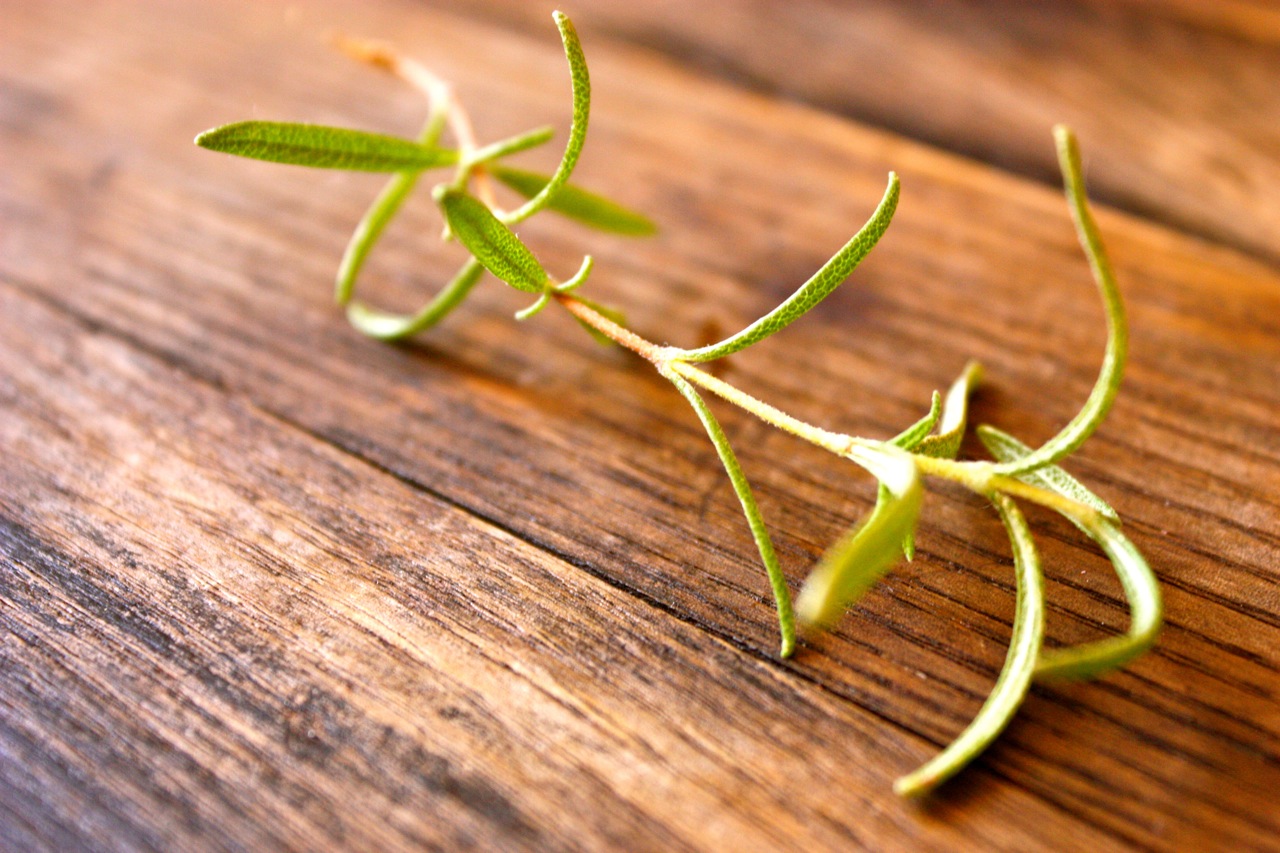
The longer I cook, the more I enjoy using rosemary, maybe because it reminds me of the pines in which I was raised and also because I try to always have a rosemary plant around. Rosemary seems to be one of the more versatile herbs one can use in a kitchen, as it lends itself immensely well to both sweet and savory dishes, and frankly I cannot think of a more well rounded flavor which suits both. Like many herbs we use today, rosemary, an evergreen a related to the mint family, is native to the Mediterranean. The name rosemary derived from the Latin ros marinus or dew of the sea, due to its ability to use humid sea air as its primary source of moisture. Aside from culinary usage, rosemary has long been thought of as a medicinal plant to improve circulation, memory, digestion and the immune system, as well as providing anti-inflammatory properties. Sweet potatoes and rosemary pair very well indeed, as the bold piney flavors taste delicious upon a rich sweet background. These sweet rosemary potato pancakes are made in the style of latkes, with sweet potatoes taking the place of white potatoes.

1 lb sweet potatoes, peeled and grated

1 yellow onion, trimmed and grated

1 tsp fresh rosemary, leaves removed from stem

2 eggs

1 tsp starch, potato or corn

¼ tsp pepper

½ tsp salt

1-2 tbsp olive oil

1. Combine the grated sweet potatoes and salt in a medium-mixing bowl, set potatoes aside for about 10-15 minutes. Drain liquid from potatoes by squeezing them and tightly wrapping them in a clean towel, removing as much excess water as possible. Return drained potatoes to original mixing bowl.

2. Next, combine the potatoes with the onions and rosemary. Add the eggs, starch and pepper and thoroughly combine with the vegetables creating the batter for the pancakes.

3. In a medium frying pan, heat 1 tbsp of oil over medium-low heat. Place a tablespoon of batter in the pan, flatten into a pancake and fry each side until golden brown on both sides, about 5 minutes. Repeat process with remaining batter, adding additional oil as necessary.

4. Serve pancakes warm or room temperature.

Serves 3-4

March 2, 2012

Chili sin Carne

Chili has been a staple of the American diet for hundreds of years, first documented by Spanish conquistadors in writings about their findings in Mexico, which included the dish chili con carne in 1519. Most commonly in Mexico, the dish consisted of meat endlessly stewed with spices, but the ingredients would vary when it reached the American west depending upon availability. Chili became especially popular in Texas, where they saw both the chili queens, who would cook chili in the plaza over open fires in the evening, and chili parlors, small dining establishments devoted to the dish. Currently, many current versions of chili seems a far cry from the stewed meat and spices, especially because beans and tomatoes are both questioned as to whether they truly belong in the dish. All conventions aside, chili, even without the key ingredient of meat, can be a great dish using surplus ingredients, which can be made ahead and either eaten immediately or frozen for later. Homemade tortillas are especially delicious with chili sin carne.

1 c black beans, cooked

2 c tomatoes, diced

1 onion, finely chopped

1 carrot, finely diced

1 stalk celery, finely diced

1 red bell pepper, finely diced

1 summer squash, finely diced

1 c mushrooms, thinly sliced

1 clove garlic, finely pressed or chopped

¼ c cilantro, finely chopped

1 tbsp vegetable oil

1 tsp chili powder

½ tsp ground cumin

salt

water

1. Heat the oil in a large heavy pot over medium heat and add the chili powder and cumin and stir until fragrant, about 1 minute. Add the onion and garlic, stir and sauté until soft, about 5 minutes. Add the celery, carrot and mushrooms, stir to combine and continue sautéing until the vegetables are tender, stirring continually to prevent burning.

2. Next, add the red bell pepper and summer squash and sauté until tender. Fold in the beans and tomatoes, and add ¼-½ c water, so the liquid is not quite even with the vegetables, cover and simmer over medium-low, until most of the liquid has been absorbed. Once the liquid has been reduced and the vegetables are soft, remove from heat, stir in half the cilantro and season to taste with salt.

3. Serve the chili warm or room temperature with fresh cilantro and additional toppings as desired.


Serves 3-4

December 22, 2011

Portobello Mushrooms

Frankly, portobello mushrooms are not my favorite, I often find them much more tough and dry than most mushrooms, maybe because we consume them at an older age than most other mushrooms. However, when portobellos are allowed to braise slowly with onions, fresh herbs and garlic, they become very flavorful and quite delicious. Portobellos, conversely portabellas, are, in fact, a mature variation of Agaricus bisporus, the common white or brown mushroom native to Europe and North America, which is known by many different names depending upon their coloring, age and location. Braising the mushroom cap on top of the onion gill side up, lets the onion caramelize and the mushroom to braise in its own juices, creating a rich and hearty dish. They are lovely served with greens, asparagus and salad.

4 portobello mushrooms, stems removed

1 small onion, sliced into 4 ¼" thick rounds

4 cloves garlic, pressed or finely chopped

4 sprigs rosemary

1 tbsp olive oil

salt and pepper

1. Coat the bottom of a large skillet or shallow pan with olive oil and arrange the onion rounds so they are evenly spaced in the skillet or pan. Place the portobello mushroom caps on top of the onion rounds, gill side up. Generously season the mushrooms and place a clove of garlic and sprig of rosemary on each mushroom cap.

2. Turn the heat on to medium-low, cover the mushrooms and braise until tender, 15-20 minutes. Occasionally check the heat, to make sure the onions are not burning, and reduce as necessary. Once the mushrooms are fully cooked and tender, remove from heat and set aside for 5-10 minutes.

3. Serve the portobello mushrooms warm, along with the cooked onions and juices from the pan, season to taste with salt and pepper.

Makes 4 portobello mushrooms

December 14, 2011

Sweet Potato Pancakes

Sweet potatoes have been on my mind lately, possibly because they are commonly served during winter holiday meals or maybe because I am in the south, where sweet potatoes have been cultivated since the 16th century. In the southern States, sweet potatoes seem to be preferred over regular potatoes and due to their sweeter nature; they are found in a wide array of both savory and sweet dishes, including pies, casseroles, breads, stews and fries. Lately, I have come across sweet potato pancakes on menus and signs; at first I thought were similar to a European potato pancake using grated sweet potatoes as a base, which sounded delicious. However, I subsequently learned, in the south, they are referring to traditional breakfast pancakes, in which cooked mashed sweet potatoes are used in addition to the flour. I found baking the sweet potatoes before adding them to the pancakes, added a depth to the pancakes and created a rich sweet potato flavor in the finished product.

Sweet potatoes can be baked in advance. Sugar and spices can be adjusted to taste, depending upon personal preference.

1 lb sweet potatoes

2 c flour

2 ¼ c milk

¼ c butter, melted

2 eggs

4 tsp baking powder

2 tbsp sugar

½ tsp cinnamon

pinch of nutmeg

½ tsp salt

vegetable oil

1. Preheat oven to 425 degrees. Place the whole sweet potatoes in the oven and bake until tender, 30-45 minutes. Remove from oven, cool slightly, peel and blend until smooth in a medium mixing bowl.

2. Add the dry ingredients to the blended sweet potatoes and thoroughly combine. In a separate bowl, combine the milk, eggs and butter, add to the dry ingredients and potatoes, and gently fold to combine into a smooth batter.

3. Heat a griddle or large skillet over medium-low heat. Once heated, coat the griddle or skillet with oil. Drop about ¼ c of the batter on to the griddle or skillet, repeating until the griddle or skillet is full. Cook pancakes until bubbles appear on the surface, flip and cook until both sides are golden brown and pancakes are fully cooked. Repeat process with remaining batter.

4. Serve sweet potato pancakes warm with butter and maple syrup, if desired.

Serves 3-4

December 8, 2011

Ratatouille

From the French term touiller, to toss food, ratatouille is believed to have originated as a dish made by peasants around Nice in the Provence region of France as ratatouille niçoise, influenced from neighboring Spanish and Italian cuisine. Essentially a stewed vegetable dish, ratatouille generally contains eggplant, summer squash, bell peppers and tomatoes, which are baked, braised, roasted, sautéed or stewed with various herbs, garlic and onion. Because ratatouille can be made any number of ways using any number of ingredients, it is an easy and delicious dish to prepare and serve as an entrée, side dish or leftover. Baking the vegetables gives helps retain their integrity and them a rich flavor. Socca, beets and tangerines or polenta go well to compliment ratatouille.

1 small eggplant, thinly sliced into rounds

1 medium zucchini, thinly sliced into rounds

1 medium yellow squash, thinly sliced into rounds

1 red bell pepper, thinly sliced into rounds

1 large tomato, diced

1 tbsp basil, roughly chopped

1 tsp parsley, roughly chopped

1 small onion, diced

1 clove garlic, roughly chopped

2 tbsp olive oil

salt and pepper

1. Heat 1 tbsp of olive oil in a medium saucepan over medium heat. Add the onion and sauté until lightly browned, 5-10 minutes, stirring to prevent sticking. Stir in the garlic and tomatoes and continue sautéing until the tomatoes are tender and beginning to form a sauce. Fold in the basil and parsley, simmer until herbs are fragrant and remove from heat. Cool slightly before placing tomatoes in a food processor, purée into a fine sauce and season to taste with salt and pepper.

2. Preheat oven to 375 degrees. Spread sauce evenly on the bottom of a medium baking dish, roughly 9"x9". Layer the eggplant, zucchini, yellow squash and red bell pepper evenly on the sauce. Drizzle the remaining olive oil on top and season with salt and pepper.

3. Place the baking dish in the oven and bake until vegetables are tender and lightly browned on top, 30-45 minutes. Remove the ratatouille from the oven and set aside to cool slightly. Top with Parmesan, goat or cheese of choice and serve ratatouille warm or room temperature.

Serves 3-4

November 29, 2011

Sesame Chicken with Mustard Greens and Shiitake Mushrooms

Mushrooms continue to be one of my favorite vegetables; both their firm yet tender texture and earthy flavor are appealing to me. Shiitake mushrooms are no exception, and might even be one the best varieties due to lovely appearance and smoky taste. Native to south Asia, shiitake mushrooms have been used in both medicine and cuisine for thousands of years. Though known by different names depending upon the country, the term shiitake, as we use in the States, is Japanese and refers to the type of evergreen tree on which shiitake mushrooms, among others, grow. Shiitake mushrooms have only been permitted for cultivation in the States since the early 1970s due to confusion with another variety of mushroom, Lentinus lepideus, which is an invasive species and prohibited by the USDA. Like other mushrooms, shiitakes are an excellent source of various vitamins, minerals, fiber and protein. Sesame chicken is especially good with rice and vegetables.

1 lbs chicken thighs, skin and bones removed

1 bunch mustard greens, roughly chopped

2 c shiitakes, stems removed

1 bunch scallions, cut into 2" segments

2 cloves garlic, pressed or finely chopped

¼ c sesame seeds, toasted

1 tbsp vegetable oil

1 tbsp mirin

salt and pepper

1. Place toasted sesame seeds in a bowl, add chicken thighs and toss until well coated. Heat the vegetable oil in a large heavy bottom pan over medium heat, add chicken and brown each side, about 5 minutes per side.

2. Once chicken thighs have browned, add mirin, garlic mustard greens and shitakes, reduce heat to low, cover and braise until mushrooms are tender, 5-10 minutes. Add scallions, gently stir to combine and remove from heat. Season to taste with salt and pepper. Serve chicken warm or room temperature.

Serves 3-4

October 25, 2011

Bacon and Broccoli Quiche

A quiche seems like one of the quintessential French dishes adopted by American cuisine during the 20th century, savory cream and egg custard filling in an open face pastry crust. However pastries filled with savory custard date back to at the Romans and the term quiche comes from the German word kuchen for cake, as the modern idea of quiche came about in medieval German cuisine. Any number of different meat, cheese and vegetable variations may be made into a quiche, though bacon and cheese is especially classic given the popularity of quiche Lorraine. I am fond of quiches with vegetables such as broccoli, asparagus, leek, onion or mushrooms in addition to desired meats and/or cheeses.

The bacon and broccoli can easily be substituted for any number of alternative meats, cheese or vegetables depending upon availability and personal preference.

1 c flour

½ c butter, cubed

½ tsp salt

¼ tsp pepper

1 tsp fresh herbs, finely chopped

cold water

3 eggs

1 c cream

1 head broccoli

2 strips bacon, thinly sliced

½ tsp salt

¼ tsp pepper

1. Combine flour, salt, pepper and herbs in food processor and pulse to combine. Add butter and pulse until well combined with flour. Add water 1 tbsp at a time while pulsing until flour mixture just begins to hold together. Remove from processor, form dough into ball, cover with plastic wrap and refrigerate until firm, about 30 minutes.

2. Place flattened dough in between two sheets of parchment paper and roll dough into a 12" circle. Place rolled dough on a 9" pie pan, gently press dough into the shape of the pan and form edge of dough as desired. Refrigerate the dough in the pie pan for 30 minutes before baking.

3. Place bacon in a medium frying pan over medium heat and brown bacon, stirring frequently to prevent sticking. Once bacon has browned, combine bacon with broccoli and set aside. Whisk cream, eggs, salt and pepper until thoroughly combined and set aside.

4. Preheat oven to 375 degrees. Pre-bake crust until set and lightly golden brown, 10-12 minutes. Once crust has set, remove from oven, leaving oven on. Arrange broccoli and bacon evenly along the bottom of the crust. Pour egg mixture over broccoli and bacon. Return quiche to the oven and bake for 15-20 minutes, until firm and clean to a knife. Remove quiche from the oven and let cool for about 15 minutes before serving.

5. Serve quiche warm, room temperature or chilled.

Makes one 9" quiche

October 12, 2011

Potato Pancakes

Potatoes were most likely introduced to Europe by Spanish explorer during the 16th century, so potato pancakes were born after their introduction. Potato pancakes are a staple of many traditional European cuisines especially in Eastern and Northern Europe and one of my favorite ways to eat potatoes. The vegetable pancakes are made using any number of different ingredients depending upon the culinary tradition followed, though all contain either raw or pre-cooked potatoes. I love them because they are reminiscent of the hash browns I loved as a child and can be eaten warm, room temperature or chilled with any number of toppings. Potato pancakes are delicious served with dark greens including collard or kale and bacon braised chicken.

1 lb new potatoes, grated

1 yellow onion, trimmed and grated

2 scallions, finely sliced

1 stalk celery, finely sliced

1 tbsp parsley, finely chopped

2 eggs

1 tsp starch, potato or corn

¼ tsp pepper

½ tsp salt

1-2 tbsp olive oil

1. Combine the grated potatoes and salt in a medium-mixing bowl, set potatoes aside for about 10-15 minutes. Drain liquid from potatoes by squeezing them and tightly wrapping them in a clean towel, removing as much excess water as possible. Return drained potatoes to original mixing bowl.

2. Next, combine the potatoes with the scallions, parsley, onions and celery. Add the eggs, starch and pepper and thoroughly combine with the vegetables creating the batter for the pancakes.

3. In a medium frying pan, heat 1 tbsp of oil over medium-low heat. Place a tablespoon of batter in the pan, flatten into a pancake and fry each side until golden brown on both sides, about 5 minutes. Repeat process with remaining batter, adding additional oil as necessary.

4. Serve pancakes warm or room temperature, with sour cream or applesauce if desired.

Serves 3-4

October 6, 2011

Vegetarian Borscht

Beets were initially domesticated along the Mediterranean for their edible leaves and later for their sweet colorful roots. Though borscht may be served hot or cold, spelled any number of ways and made with a great variety of ingredients, the essential ingredient of borscht is beet. Borscht originated in Eastern Europe, likely in the Ukraine where the greatest number of variations on the soup are found and was predominately a peasant dish as beets were inexpensive. Eastern European and Middle Eastern immigrants introduced borscht into American cuisine and it continues to be a commonly served soup. Borscht is delicious served with a leek galette and arugula salad.

4 medium beets

2 carrots, peeled and roughly chopped

2 stalks celery, trimmed and roughly chopped

1 medium onion, trimmed and roughly chopped

1 clove garlic, peeled

1 sprig rosemary

1 sprig parsley

1 sprig oregano

3 tbsp butter

3-4 c water

salt and pepper

sour cream

parsley

1. In a large pot and steamer basket, steam beets until tender, 30-45 minutes. Peel beets while still warm and roughly chop. Set beets aside.

2. Meanwhile, in a large heavy bottomed pot, heat butter over medium low heat. Add onion, garlic, celery, carrot and herbs. Cover and simmer until vegetables are tender, stirring occasionally, 15-20 minutes.

3. Once vegetables are tender, add steamed beets and 3 c water. Return to a simmer, remove from heat and cool slightly. Using a blender, food processor or immersion blender, purée ingredients until smooth, adding additional water as desired.

4. Season to taste with salt and pepper. Add sour cream and fresh parsley as desired. Serve borscht warm, room temperature or chilled.

Serves 3-4